
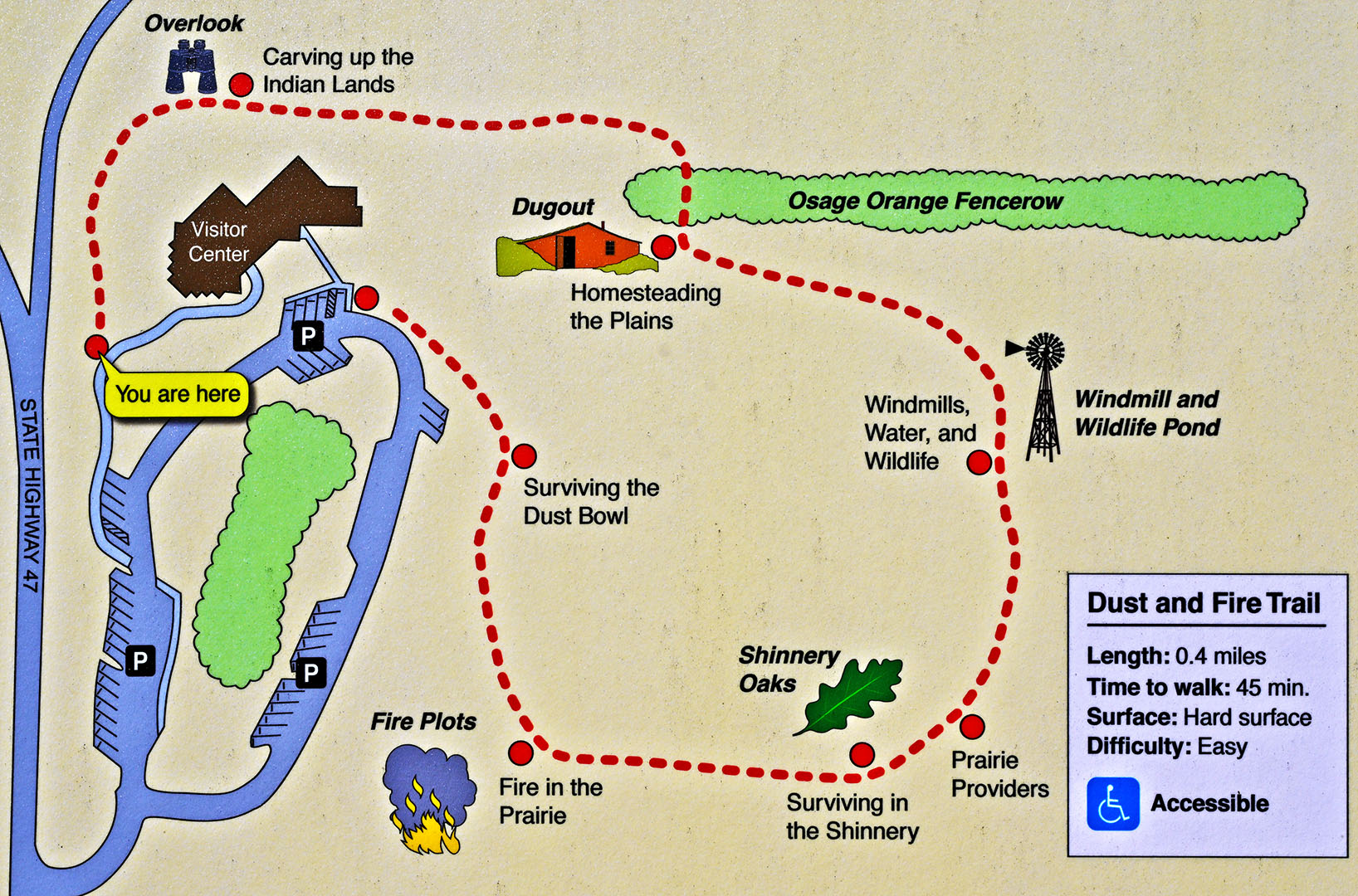
Dust and Fire Trail map, Washita Battlefield National Historic Site
Length: .4-mile
Time: 30 minutes
Difficulty: ★☆☆☆☆
The Dust and Fire Trail at Washita Battlefield National Historic Site is a paved, .4-mile loop trail that starts at the Visitor Center. Its focus is life on the plains after the Land Run of 1892, which opened up the area for white settlement. The entire trail is fairly level. However, there is almost no shade, so if avoiding the sun is important to you, be sure to wear a hat and apply sunscreen.
There are two trailheads for the Dust and Fire Trail, one on the east side of the Visitor Center and one on the west side. I started at the western trailhead and hiked in the clockwise direction.
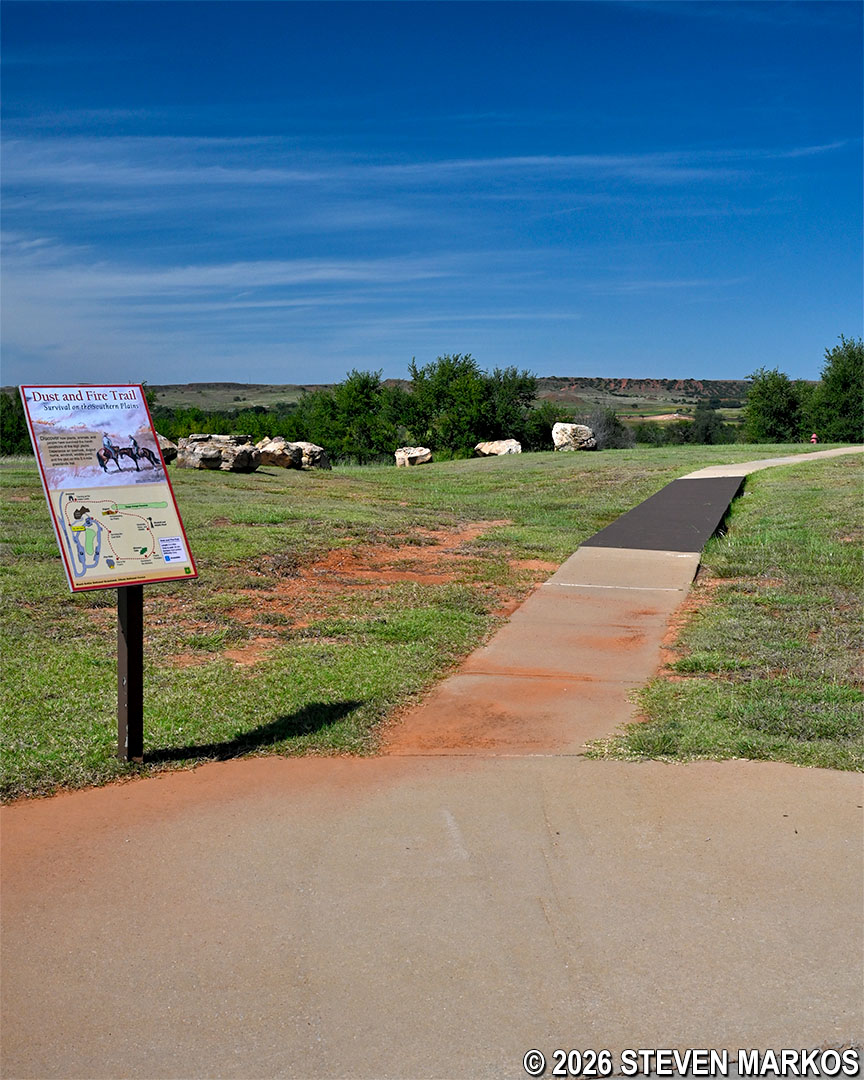
Western trailhead for the Dust and Fire Trail at Washita Battlefield National Historic Site
The trail starts off along the side of the Visitor Center and then curves to the right behind the building before coming to an overlook with a wayside exhibit. While reading about the land rush that occurred here, visitors can look out over the Washita River Valley.
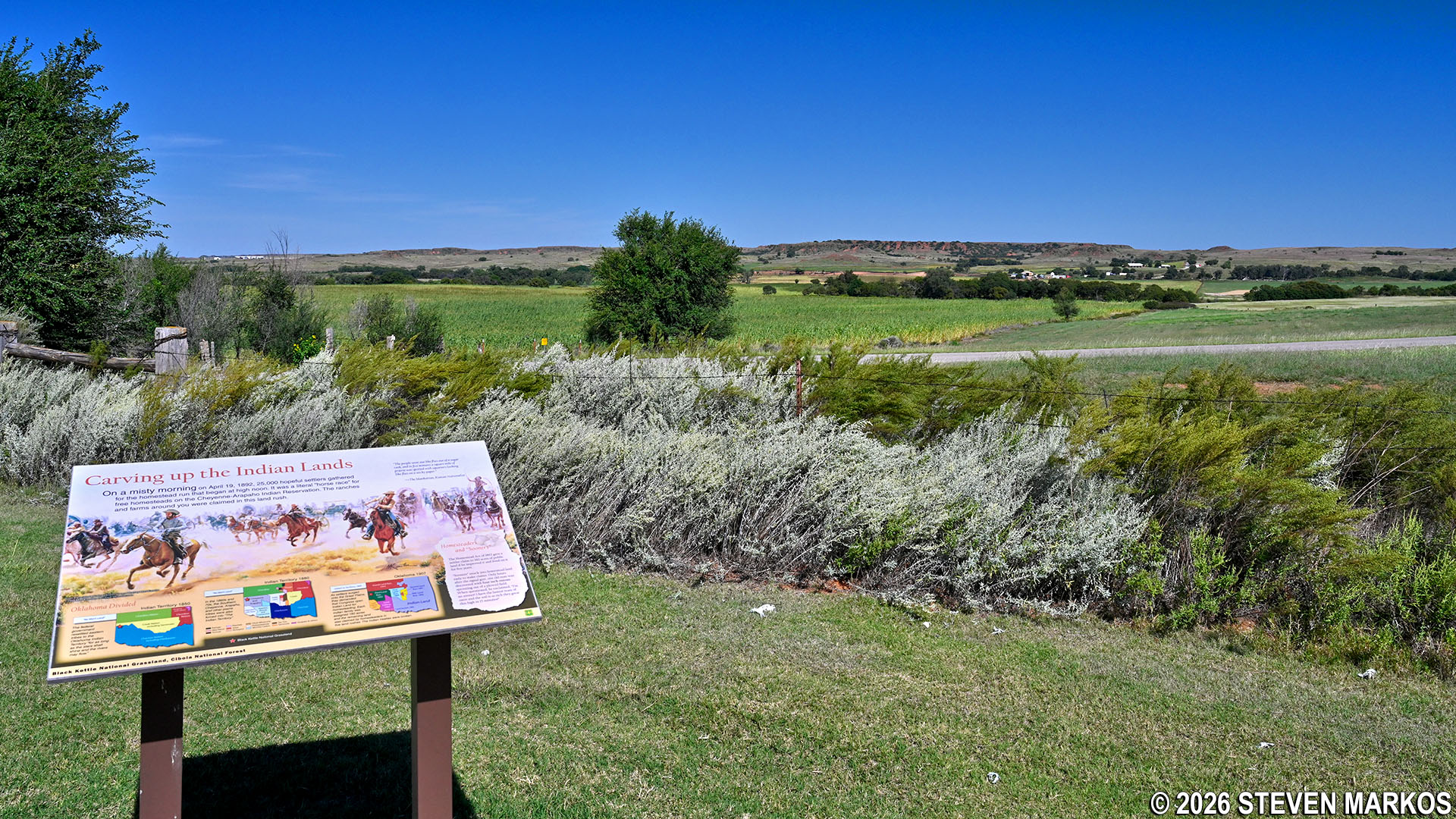
View of the Washita River Valley from the Dust and Fire Trail overlook at Washita Battlefield National Historic Site
While I was walking the trail, there were numerous crickets hopping about. They often appear in large numbers during August and September, especially if a dry spring is followed by a wet summer. It was September when I visited Washita Battlefield National Historic Site, and crickets were everywhere.
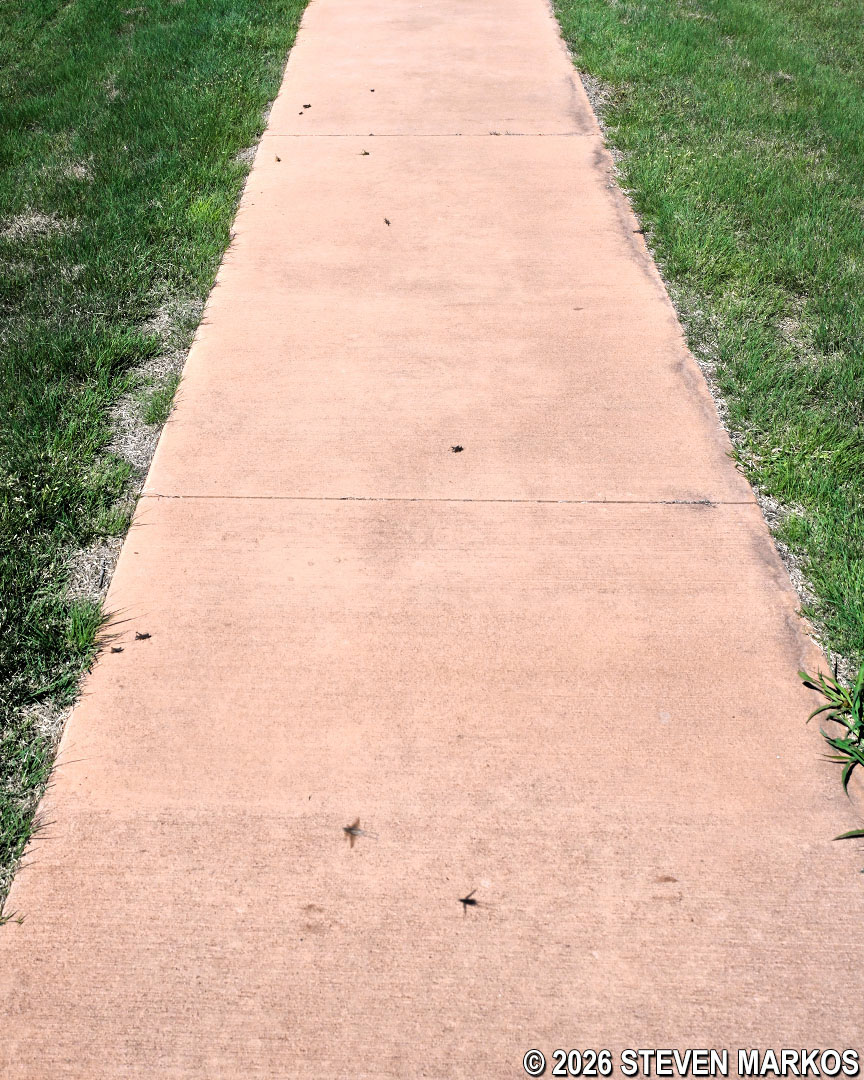
Crickets along the Dust and Fire Trail at Washita Battlefield National Historic Site
The second point of interest on the Dust and Fire Trail is a dugout house, a type of dwelling settlers often built when they first arrived at the American plains and prairies because they had no money for wood, which was scarce. The backs and sides were typically built into a hill, and the earth (clay in this area) served as the walls and floor. If and when a settler became prosperous, he would build a wood frame house. A wayside exhibit describes the struggles homesteaders faced at that time.
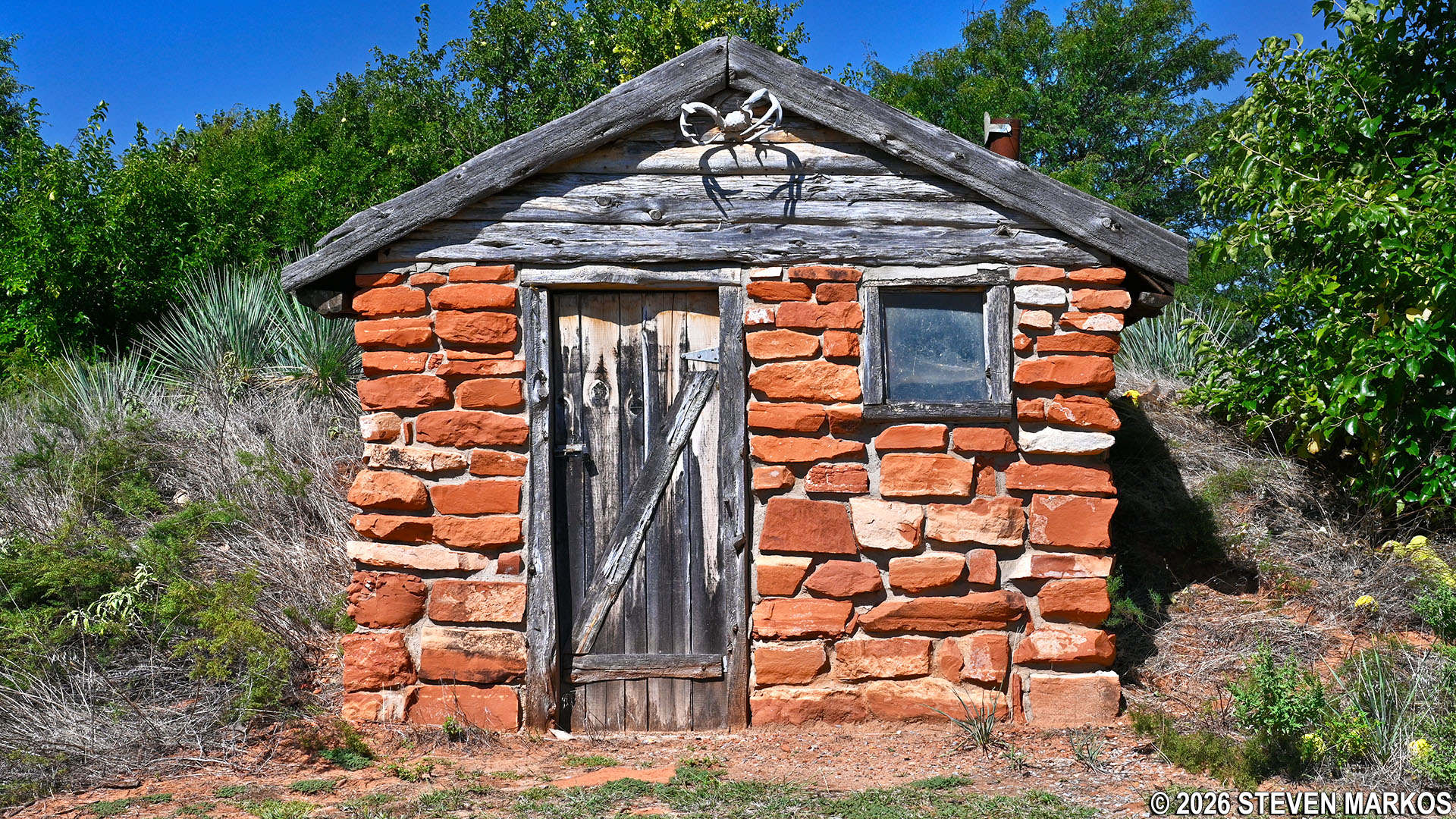
Dugout house on the Dust and Fire Trail at Washita Battlefield National Historic Site
The Dust and Fire Trail turns to the left at the dugout and soon arrives at another wayside exhibit next to a windmill and wildlife pond. Part of the Great Plains, the arid region had little water. Early settlers had to rely on wind power (which was never in short supply) to pump water from deep wells.
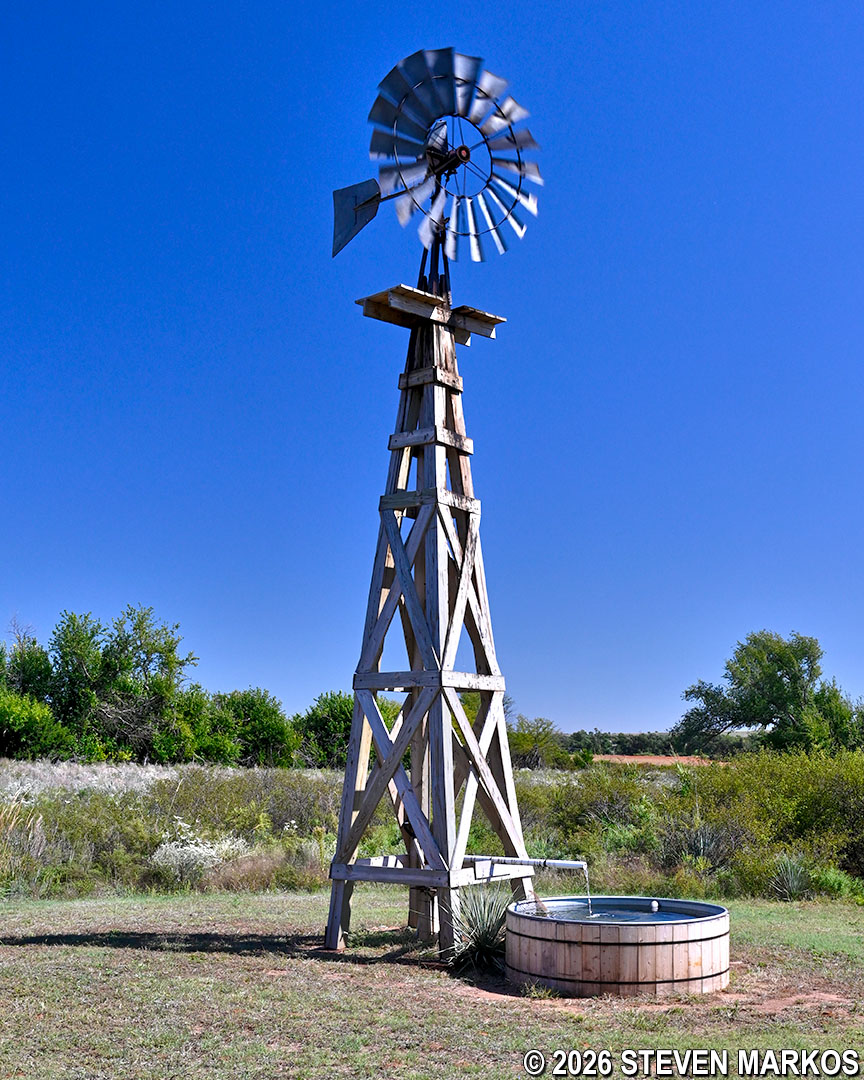
Windmill and wildlife pond on the Dust and Fire Trail at Washita Battlefield National Historic Site
Not far past the windmill is a Native Garden. For hundreds of years, plants and herbs provided food and medicine for the Indians. When settlers arrived, they continued to use local flora such as soapweed yucca, purple coneflower, and prickly pear cactus. The plants in the garden on the Dust and Fire Trail are organized by use, such as medicinal, edible, and for daily living.
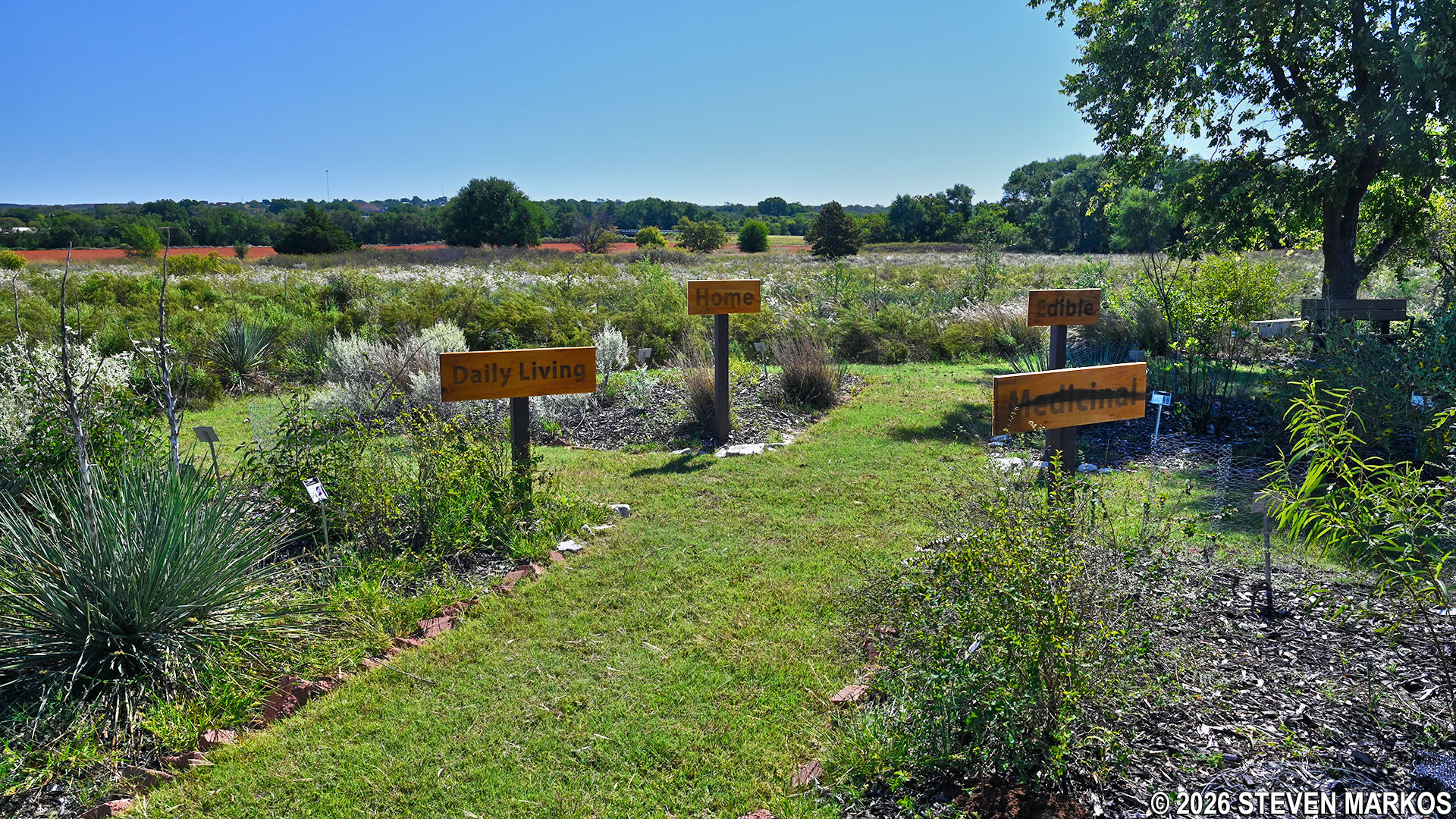
Native Garden on the Dust and Fire Trail at Washita Battlefield National Historic Site
Three plots of land along the trail are used by the National Park Service to demonstrate the effects of fire on the landscape. Each year, between January and April, one of the three plots is burned. Depending on what time of year you visit Washita Battlefield National Historic Site, one of the plots might look a little worse than the others. It was the end of September when I visited, and I did not notice a difference.
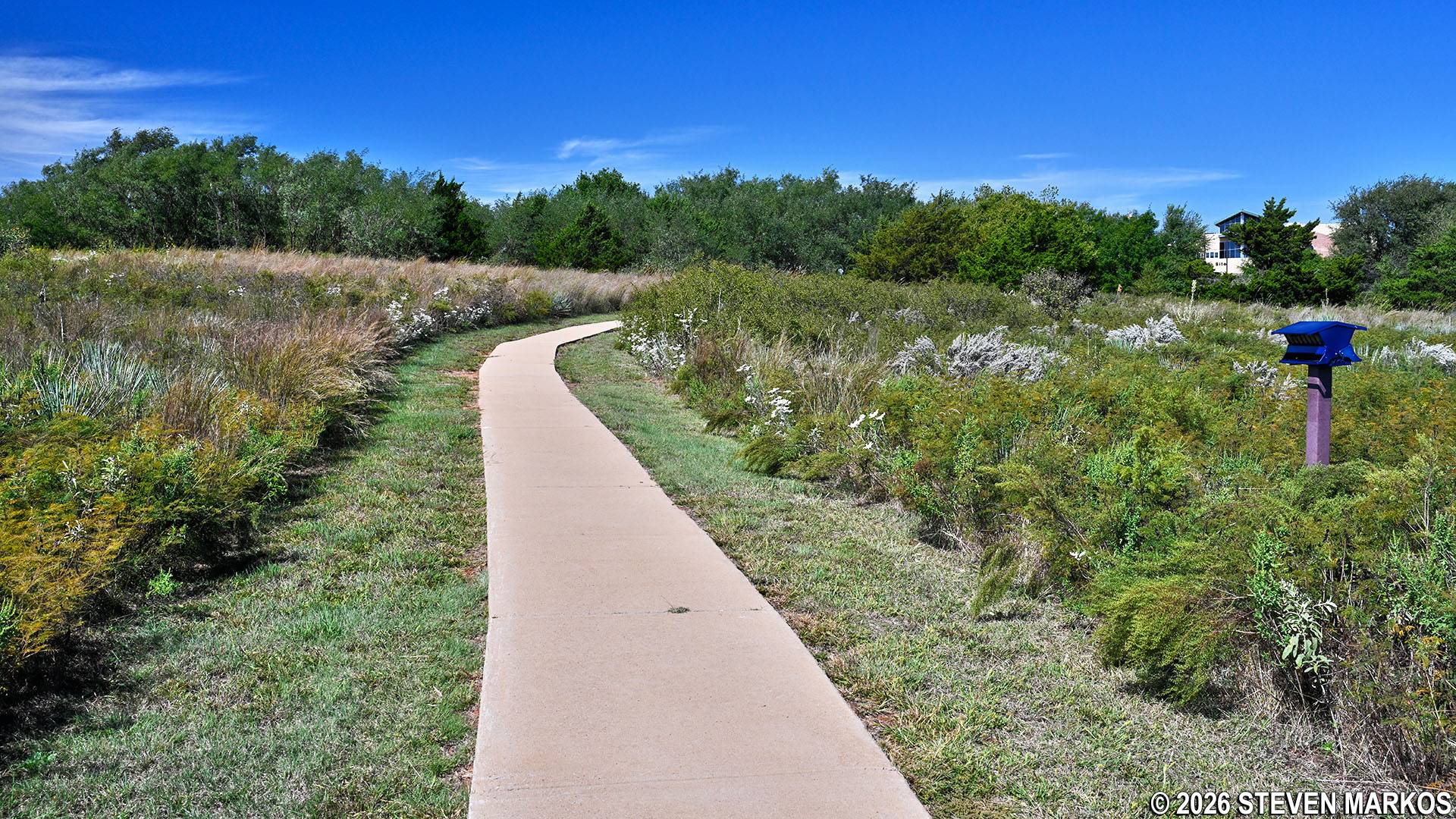
Typical terrain on the Dust and Fire Trail at Washita Battlefield National Historic Site
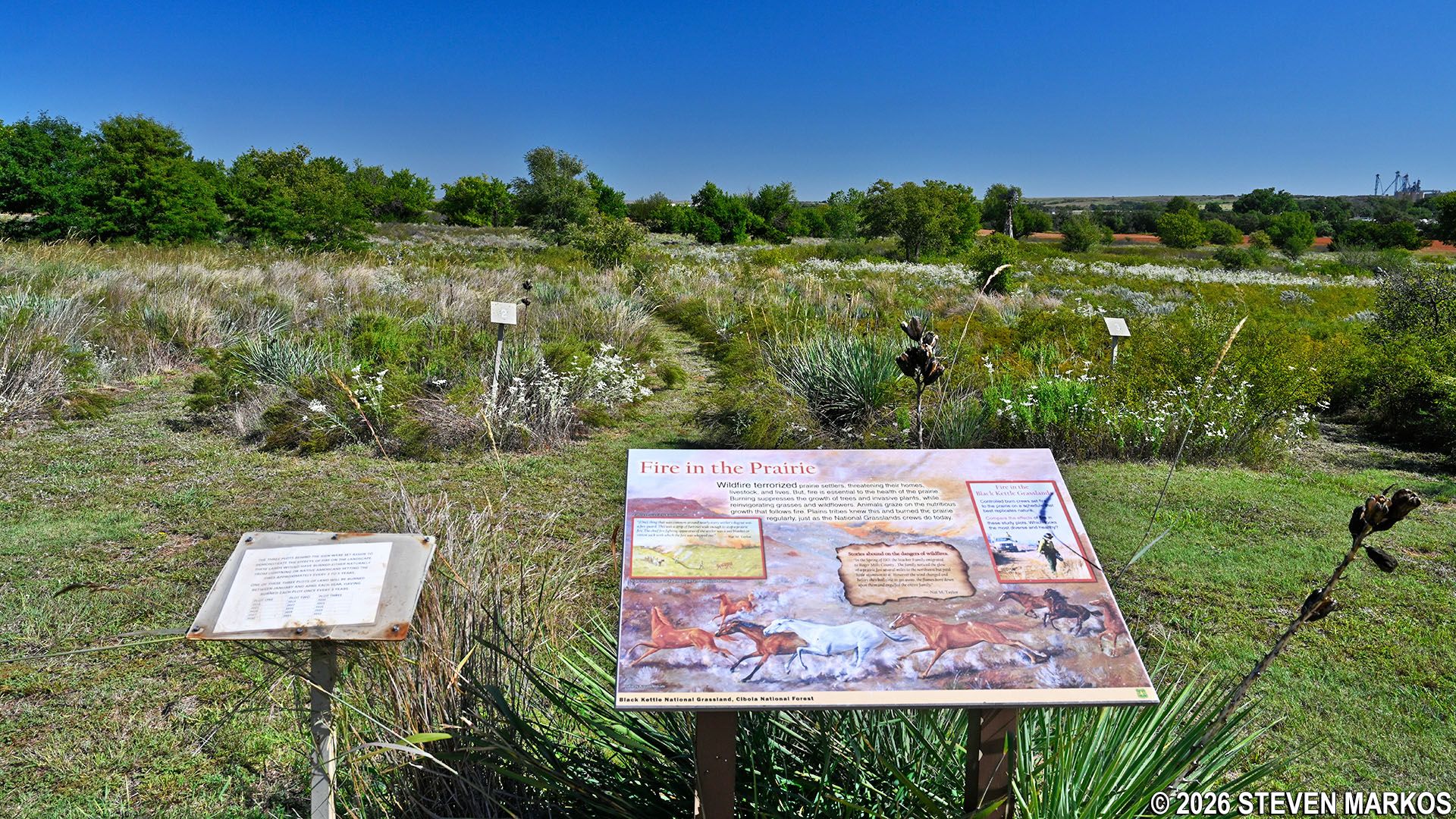
Land plots used on the Dust and Fire Trail to demonstrate fire effects, Washita Battlefield National Historic Site
The last wayside exhibit on the trail tells of the Dust Bowl of the 1930s. The natural vegetation of the plains and prairies had been removed for farming, and the nutrient-depleted soil became so dry during a decade-long drought that wind often caused massive dust storms. One of the largest dust storms in American history, known as Black Sunday, happened on April 14, 1935. In fact, this led to a journalist coining the term Dust Bowl soon thereafter. To prevent the same thing from happening again, Osage orange trees were planted in hedgerows to break up the wind. The trees were also used for fencing because they are fast-growing and the branches can be woven together.
The “oranges” that the trees produce have a bumpy surface and turn bright yellow-green when they mature in the fall. While not poisonous, the fruit does excrete a sticky white latex when cut and is not usually eaten by humans or animals. Since it was September when I visited, quite a few had fallen to the ground. I will say this fruit takes the term bumpy to a whole new level.
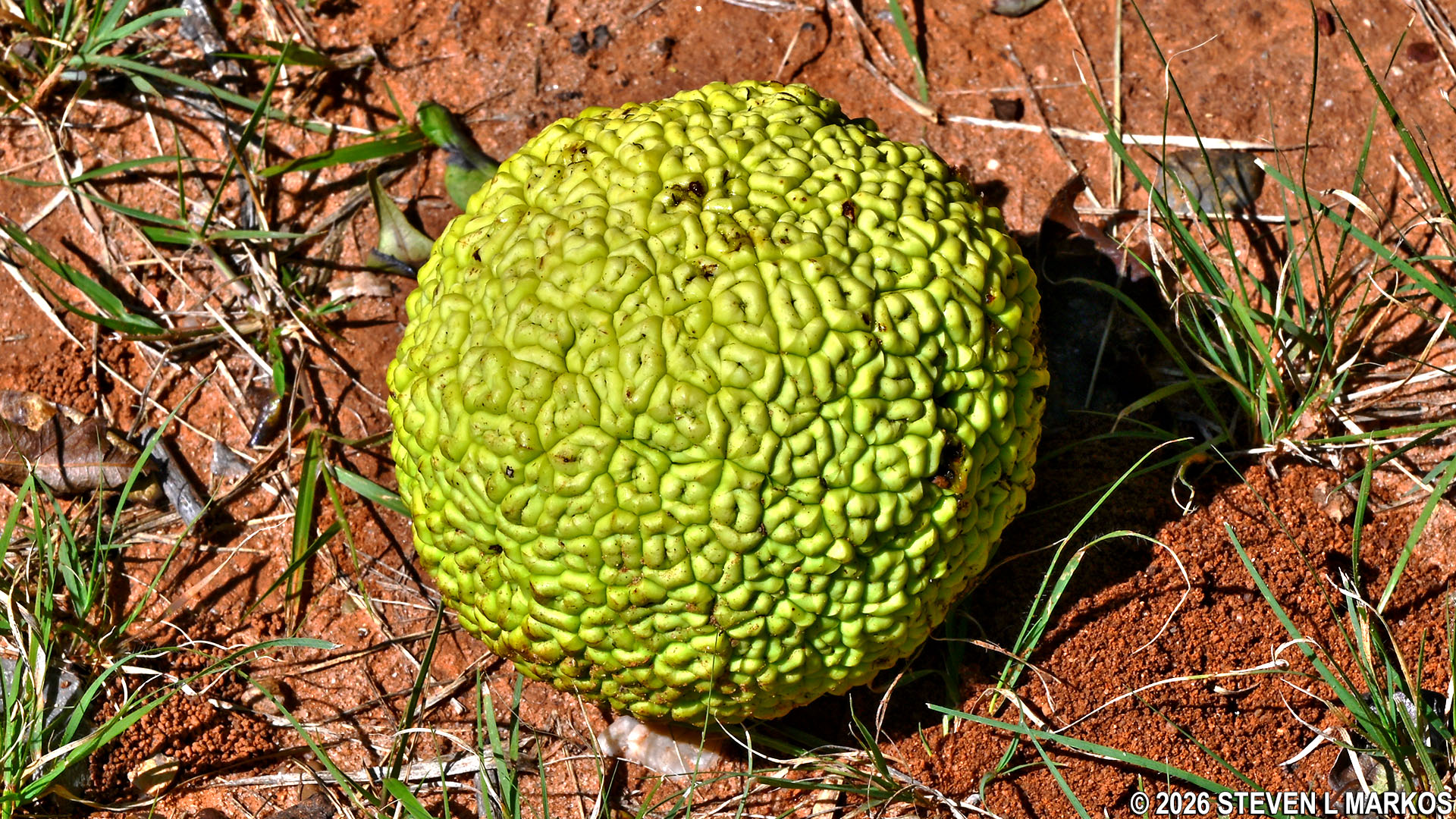
Mature fruit from an Osage orange tree at Washita Battlefield National Historic Site
The Dust and Fire Trail comes to an end at the eastern trailhead a little over a hundred yards past the Dust Bowl exhibit.
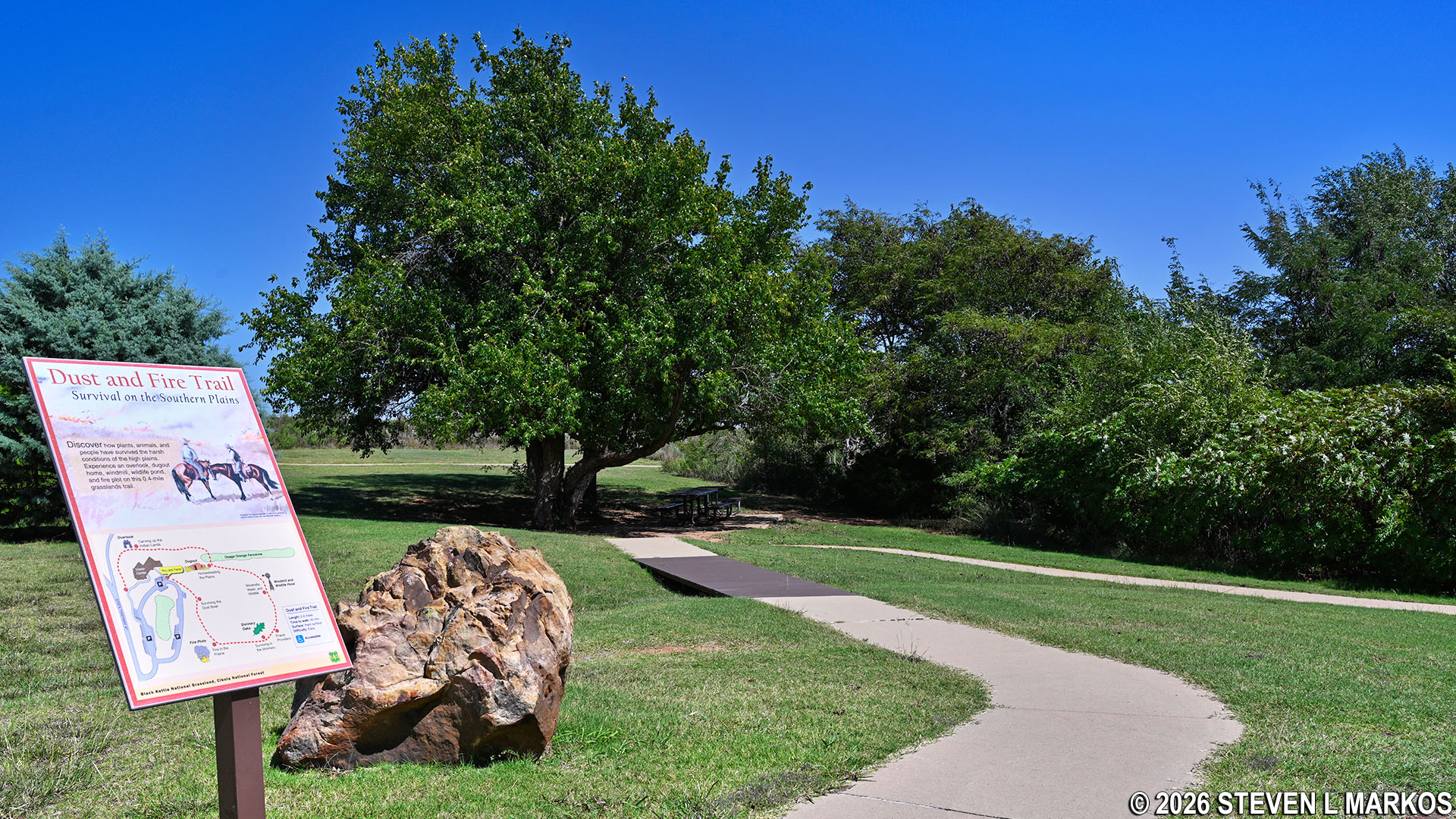
Eastern trailhead of the Dust and Fire Trail at Washita Battlefield National Historic Site
The Dust and Fire Trail is one of only two trails at Washita Battlefield National Historic Site. The other, the Washita Battlefield Trail, leads to the battlefield site, and hiking it is the only way to get there. For complete details on the hike, read the Washita Battlefield Trail review here on National Park Planner.
With a few exceptions, use of any photograph on the National Park Planner website requires a paid Royalty Free Editorial Use License or Commercial Use License. See the Photo Usage page for details.
Last updated on January 26, 2026


