

Andersonville National Cemetery at Andersonville National Historic Site
Andersonville National Cemetery is open daily from 8 AM to 5 PM.
The Andersonville National Cemetery was created in 1865, though soldiers who died at the prison had been buried at the site since 1864. Graves were only marked with numbered posts, but a young prisoner who worked at the prison hospital, Dorence Atwater, kept a list of the dead that matched grave numbers with names. He made one copy for the Confederates and one copy that was to go to the Union after the war. Fearing that the Union copy would never be delivered, he created a third, secret copy for himself. After the war, he and Clara Barton teamed up and were able to identify 95 percent of the men buried at Andersonville. Since then, soldiers from all wars have been buried at the cemetery, and burials continue to this day. Of the fourteen National Cemeteries under the management of the National Park Service, only Andersonville and Andrew Johnson National Cemetery in Greeneville, Tennessee, are still active.
Being a military cemetery, the tombstones are uniform and plain, unlike civilian tombstones that can be ornate sculptures limited in scope only by the bank accounts of the living family members.
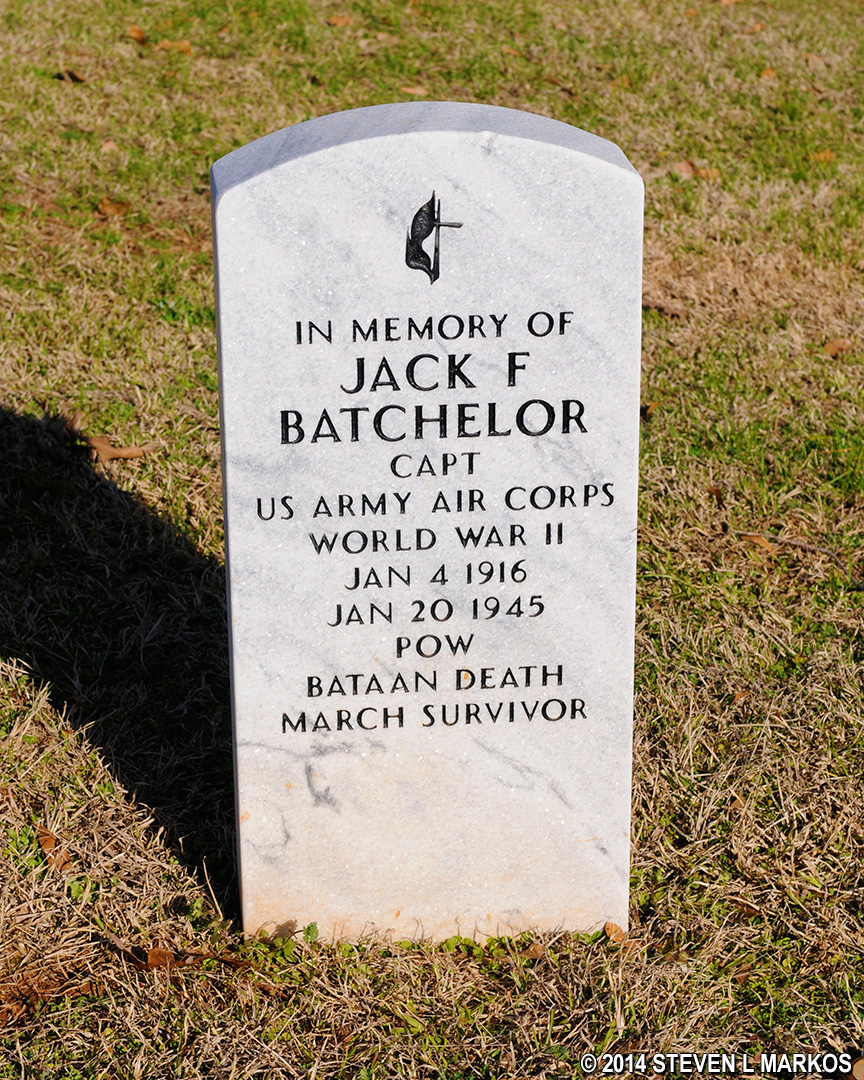
World War II grave at Andersonville National Cemetery at Andersonville National Historic Site

Graves of Union soldiers who died at Andersonville, Andersonville National Cemetery at Andersonville National Historic Site

One of the newer burials at Andersonville National Cemetery at Andersonville National Historic Site
Visitors are welcome to drive or walk into the cemetery. If walking, pull over just before the entrance and park along the curb. If driving, pull over at the curb whenever you want to get out and take a closer look at something. There are wayside exhibits placed throughout the cemetery, but for more information be sure to get an Andersonville National Cemetery Walking Tour brochure at the Visitor Center. This has additional information about some of the monuments. Plan to spend an hour for a visit if you want to see all points of interest.
At the entrance to the cemetery is the Georgia Monument, which was erected in 1976.
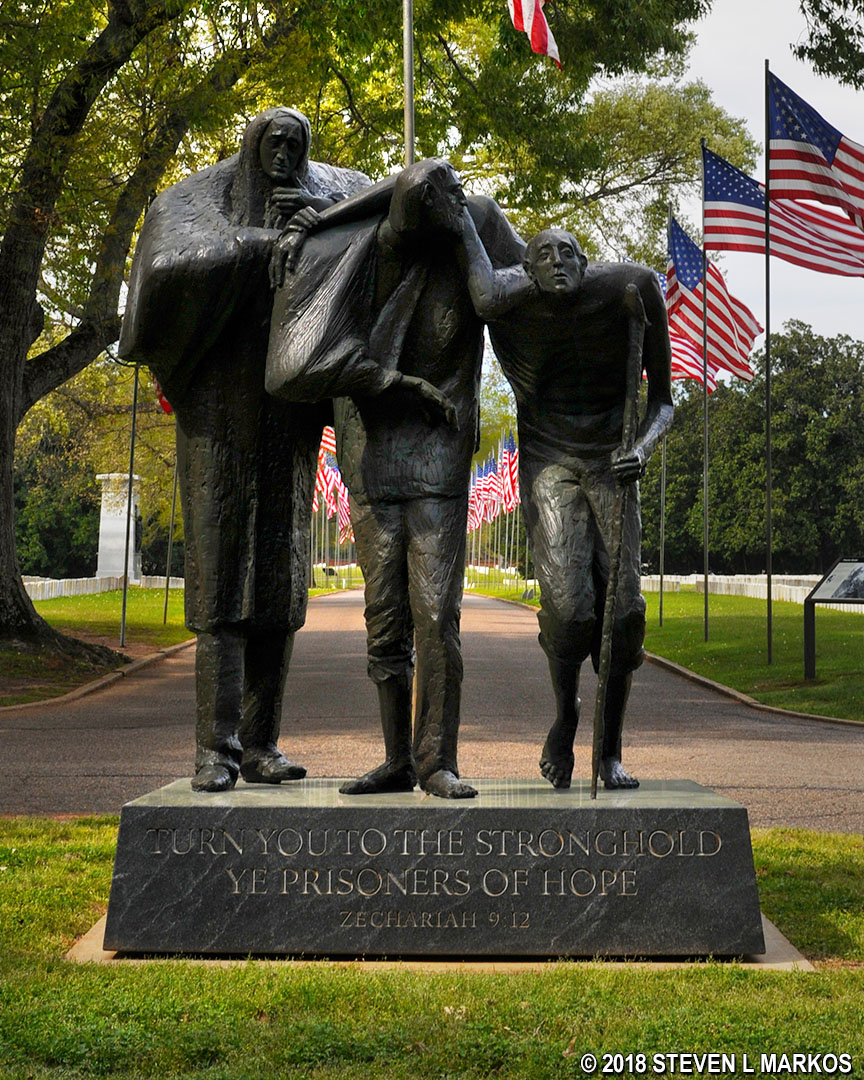
Georgia Monument at the entrance to Andersonville National Cemetery at Andersonville National Historic Site
There are two sections of Union POW graves, plus the graves of the six leaders of the infamous Andersonville Raiders, a gang that terrorized the prison population. The six ringleaders were finally hanged in 1864, and their graves stand separate from the other POWs because nobody wanted to be buried with them. As irony would have it, today this separation makes the six the most remembered of all the Union soldiers who died at Andersonville.

Graves of the six leaders of the Raiders at Andersonville National Cemetery, Andersonville National Historic Site
Another feature of Andersonville National Cemetery is the Rostrum. This is a covered pavilion where special ceremonies take place. In front is a memorial area for soldiers whose bodies were never recovered from the battlefield, buried at sea, donated to science, or were cremated and had their ashes spread elsewhere.

Andersonville National Cemetery Rostrum at Andersonville National Historic Site
The following are photos of the monuments at Andersonville National Cemetery.
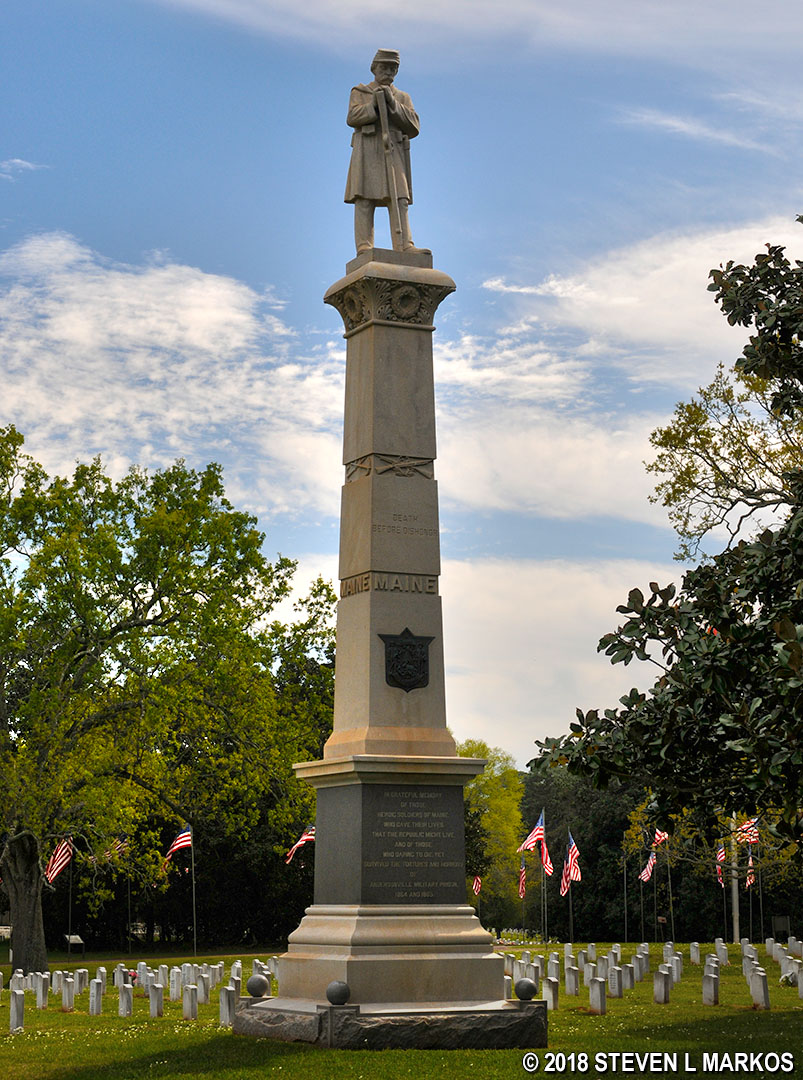
Maine Monument (dedicated in 1904), Andersonville National Cemetery at Andersonville National Historic Site

Indiana Monument (dedicated in 1908), Andersonville National Cemetery at Andersonville National Historic Site
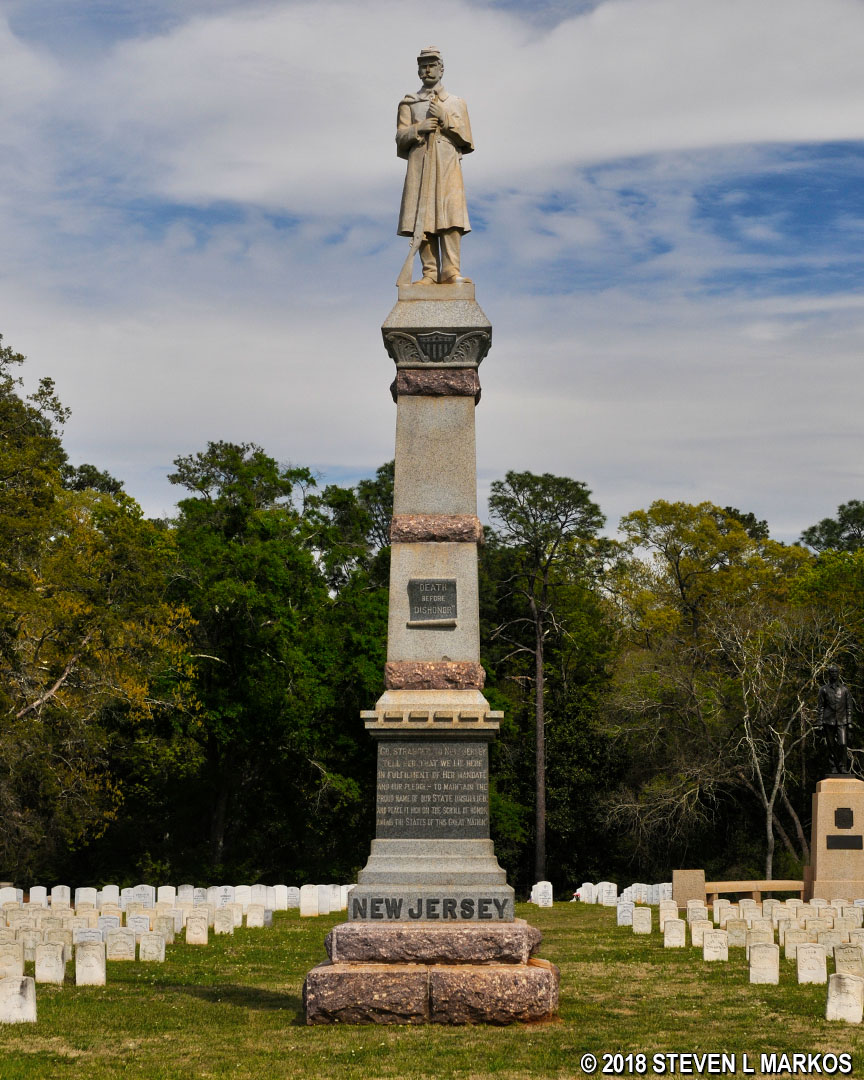
New Jersey Monument (dedicated in 1899), Andersonville National Cemetery at Andersonville National Historic Site

Stalag 17-B Monument honors all World War II POWs (dedicated in 1989), Andersonville National Cemetery at Andersonville National Historic Site

Pennsylvania Monument (dedicated in 1905), Andersonville National Cemetery at Andersonville National Historic Site
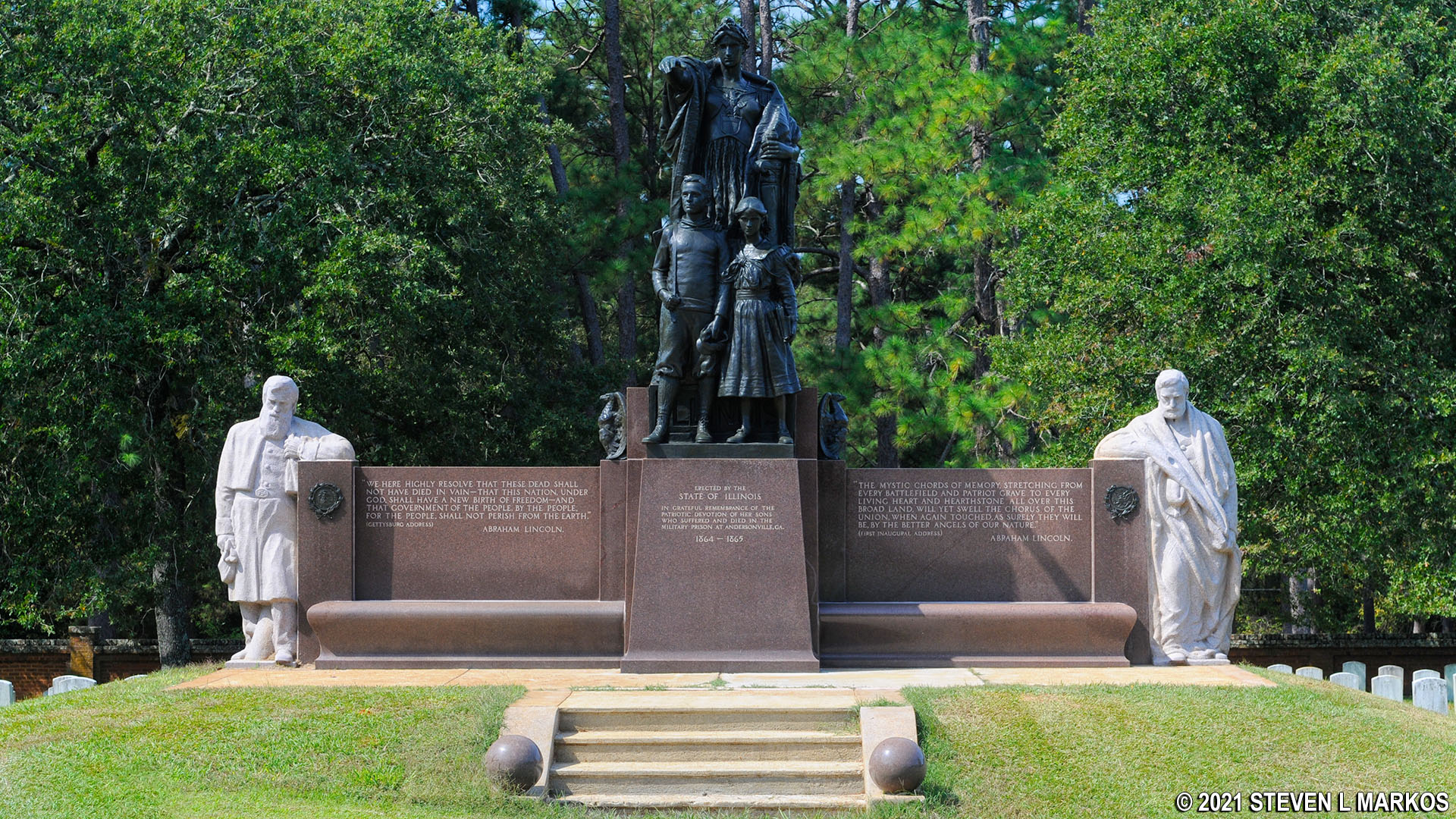
Illinois Monument (dedicated in 1912), Andersonville National Cemetery at Andersonville National Historic Site
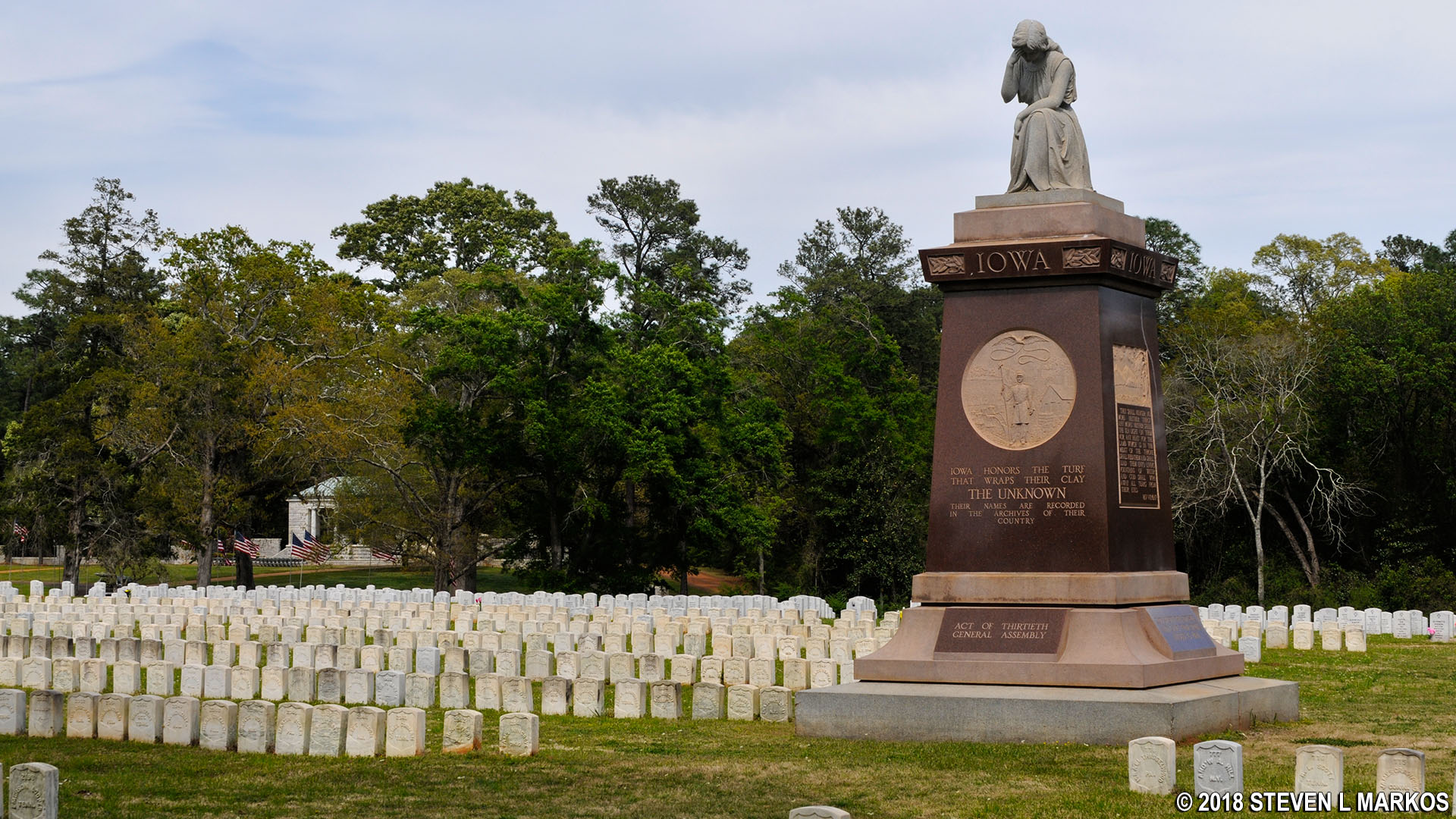
Iowa Monument (dedicated in 1906), Andersonville National Cemetery at Andersonville National Historic Site

Connecticut Monument (dedicated in 1907), Andersonville National Cemetery at Andersonville National Historic Site
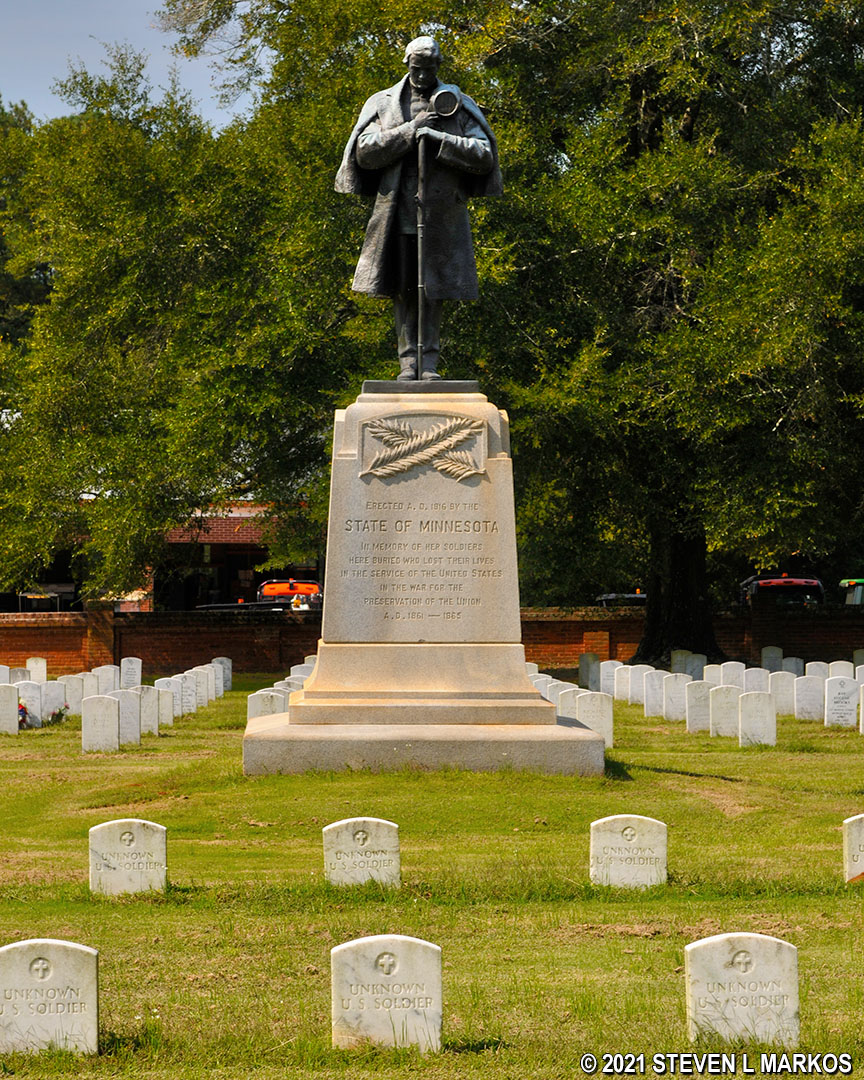
Minnesota Monument (dedicated in 1916), Andersonville National Cemetery at Andersonville National Historic Site
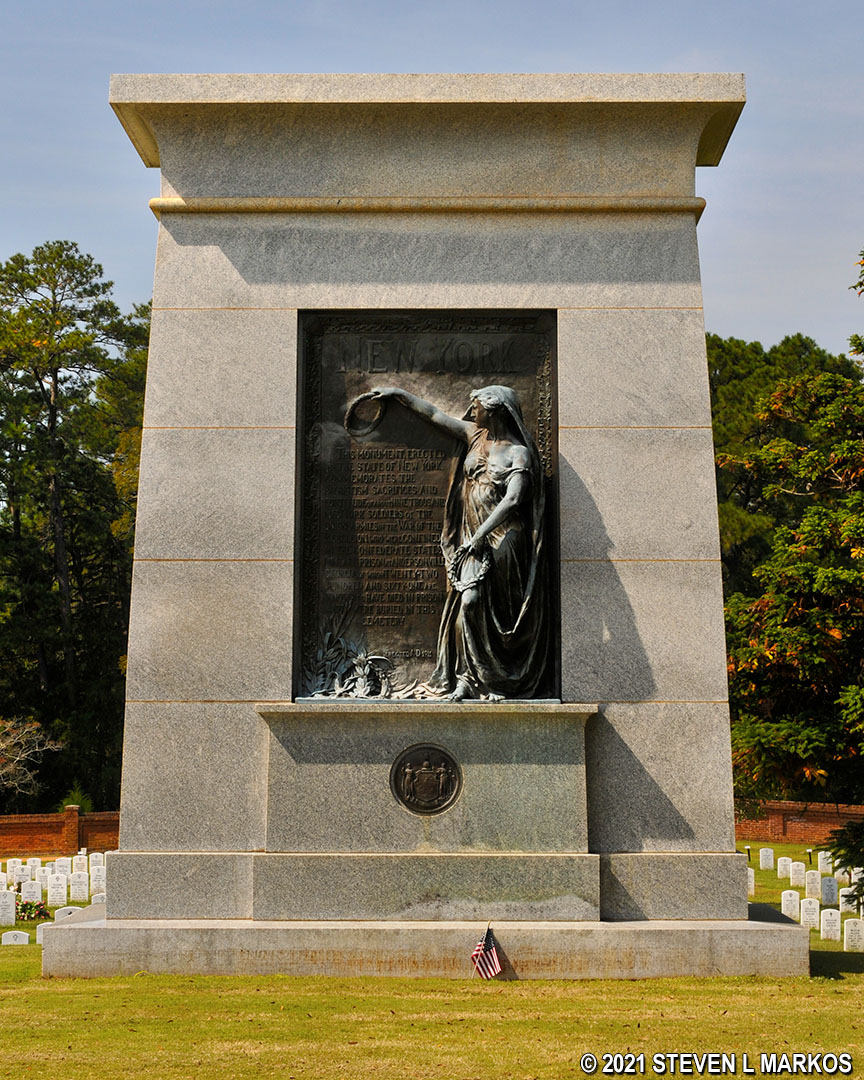
New York Monument (dedicated in 1914), Andersonville National Cemetery at Andersonville National Historic Site
With a few exceptions, use of any photograph on the National Park Planner website requires a paid Royalty Free Editorial Use License or Commercial Use License. See the Photo Usage page for details.
Last updated on September 23, 2026


