
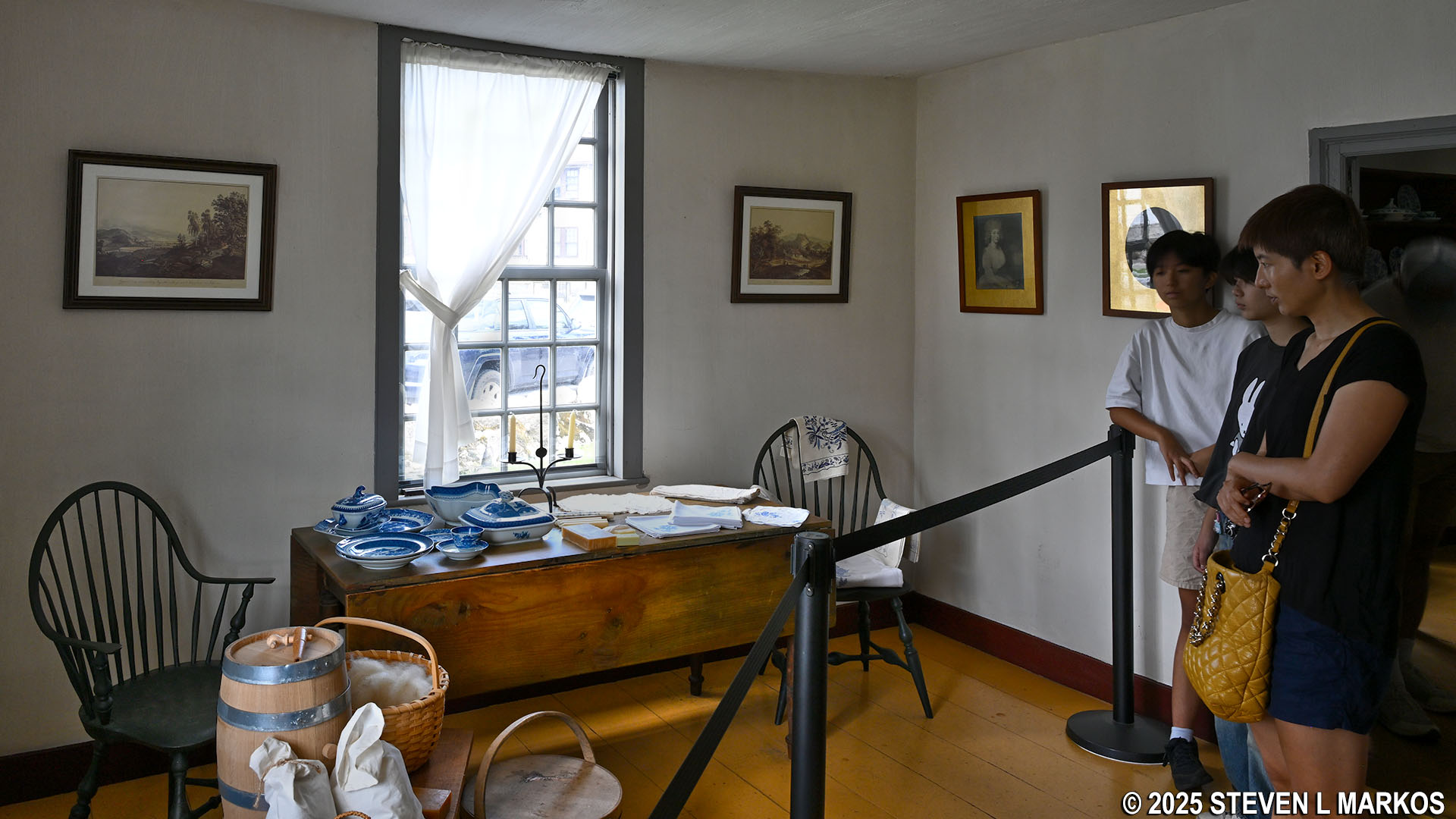
Visitors tour the John Quincy Adams Birth Home, Adams National Historical Park
The Adams Birth Homes are located at 141 Franklin Street in Quincy, Massachusetts.
The birth homes of both John Adams and his son John Quincy Adams are open to the public (seasonally) on Ranger-guided and self-guided tours. For a self-guided tour, just show up at the site whenever the houses are open. Rangers are on duty to answer any questions, and in truth, there are so many people doing the same thing that the Rangers just naturally end up giving tours. The number of people allowed into the houses at one time is limited, so if the Legacies tour group arrives, you may have to wait to get in. Walk-up visitors typically tour one house while the group tours the other, so if there is any wait, it usually is not long. See the House Tours web page here on National Park Planner for more details.
Unlike the Old House at Peace Field, which is filled with original furnishings that belonged to members of the Adams Family, nothing in the birth homes is original. Historians are not even certain what each room was used for, though with only three on each floor, most likely they are accurate in their assumptions. Each room is decorated with period furniture as it might have been when John and John Quincy Adams lived there.
For a complete history of the houses, see the History of the Adams Birth Homes web page here on National Park Planner.
JOHN ADAMS BIRTH HOME
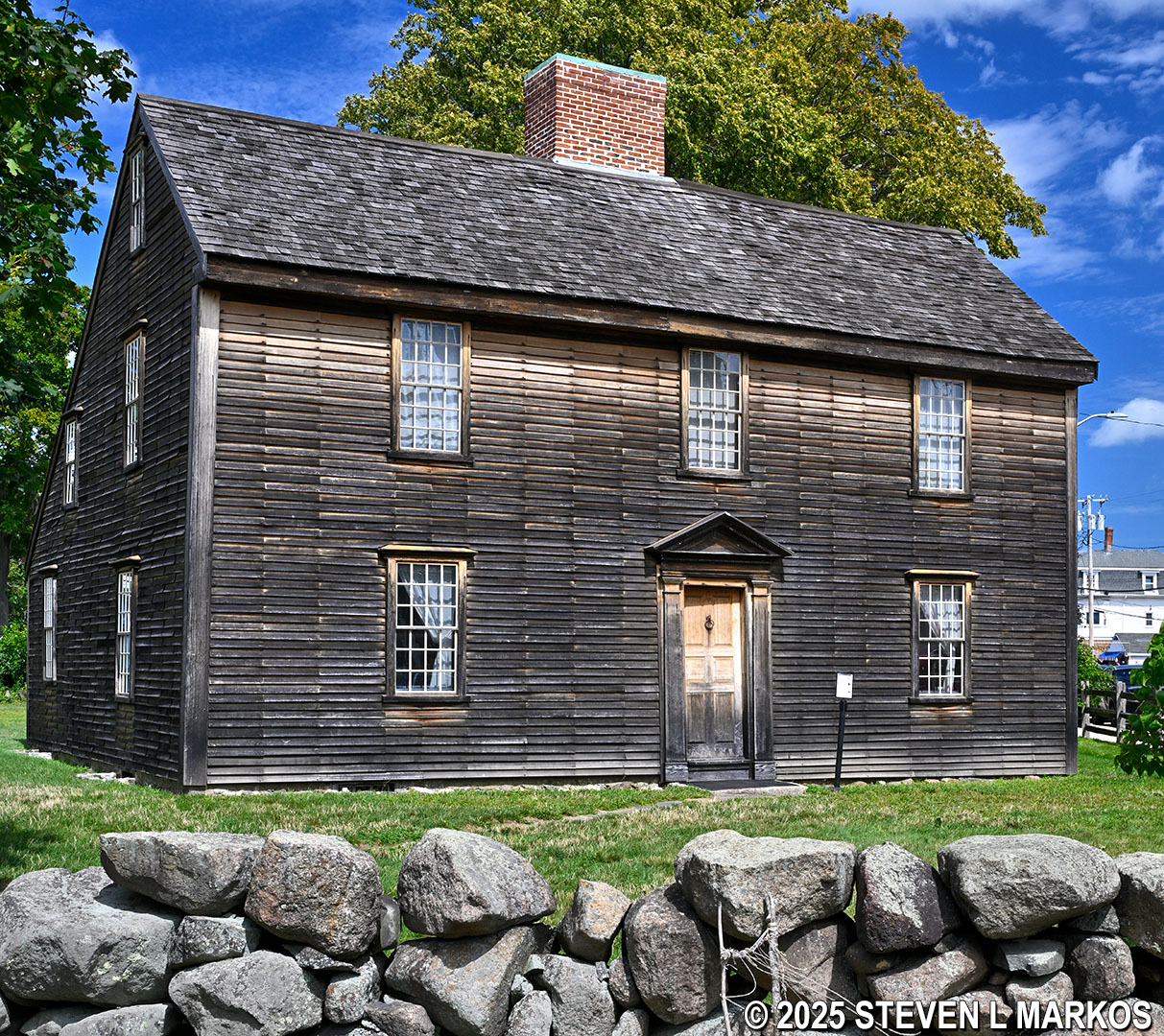
John Adams Birth Home, Adams National Historical Park
The house in which John Adams was born was purchased along with roughly six acres of farmland from James Pennimen by John Adams Sr. in 1720. He was 29 years old and single, and he remained single until 1734 when he married Susanna Boylston from Brookline. It was in this house that all three of their sons were born: John Jr. (1735-1826), Peter (1738-1823), and Elihu (1741-1775). John Jr. lived in the house until he departed for Harvard College at age fifteen.
When originally built, the house had two rooms on the first floor and two on the second. In 1750, John Adams Sr. enlarged the house by enclosing a back porch and storage area called a lean-to, which was a common feature of houses at the time. The long, sloped roof on the back is the defining feature of what is called a Salt Box House due to its resemblance to the boxes in which table salt was stored. A lean-to was also enclosed on the John Quincy Birth Home, though the work was done by the previous owner, not John Adams Sr. The photo below of the Quincy house illustrates the salt-box design.
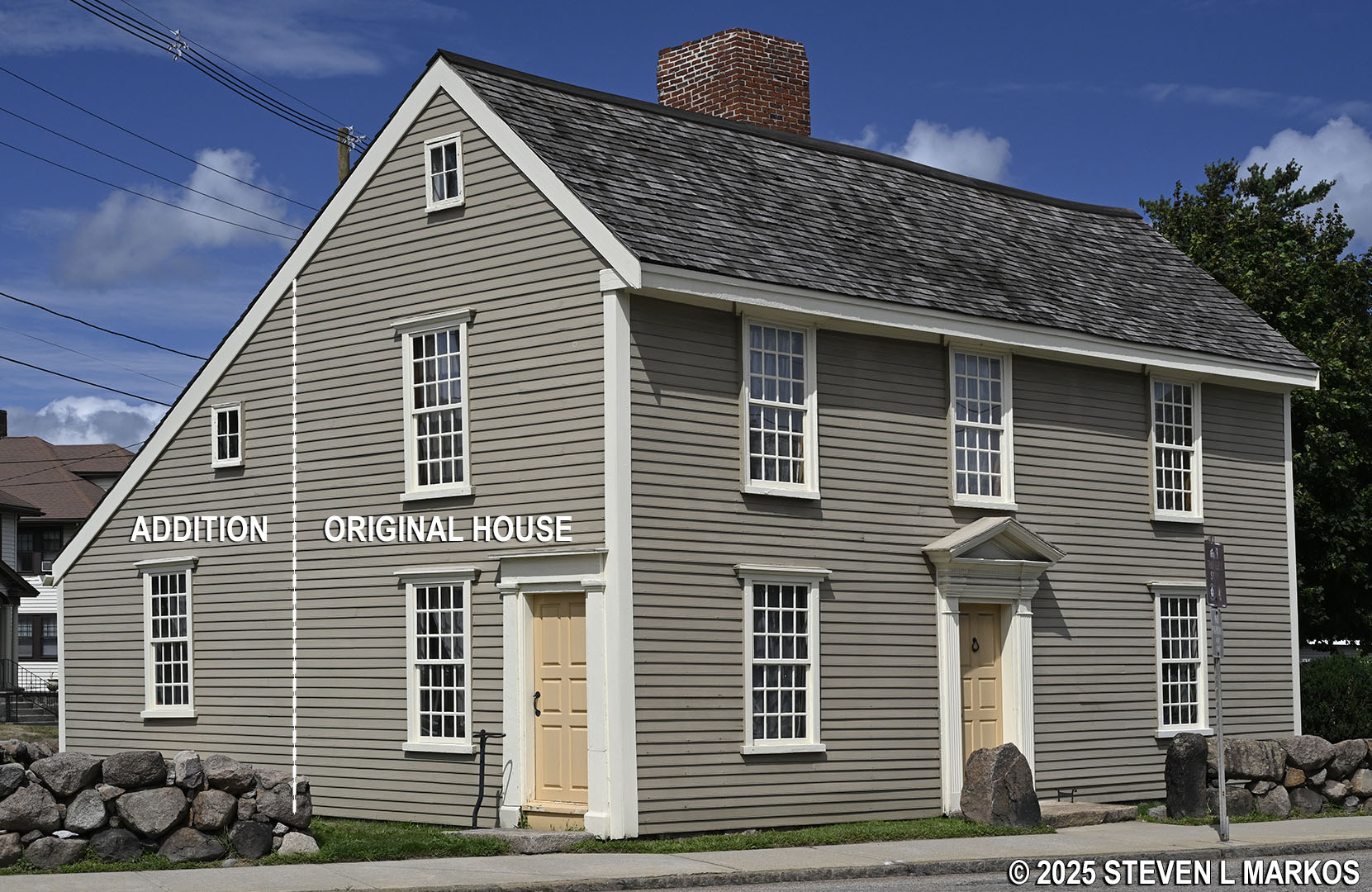
Original John Quincy Adams Birth Home and its rear addition, Adams National Historical Park
Of the two original rooms in the John Adams Birth Home, the one with the larger fireplace was most likely the kitchen and dining room. This room is now outfitted with a dining table. However, the kitchen and dining area were eventually moved to the lean-to addition, and historians do not know for certain what this room was used for after that.
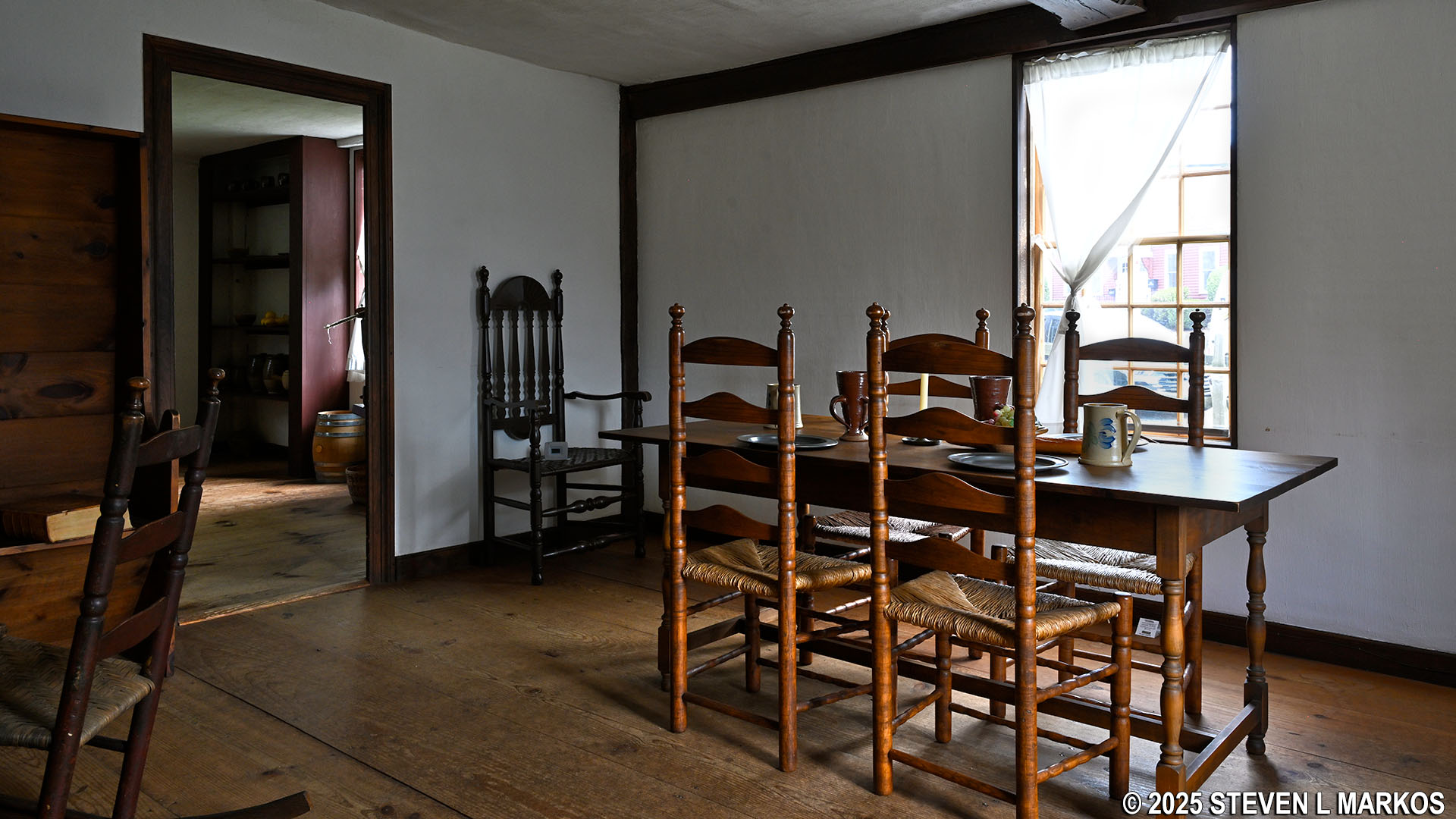
Original dining room and kitchen of the John Adams Birth Home, Adams National Historical Park
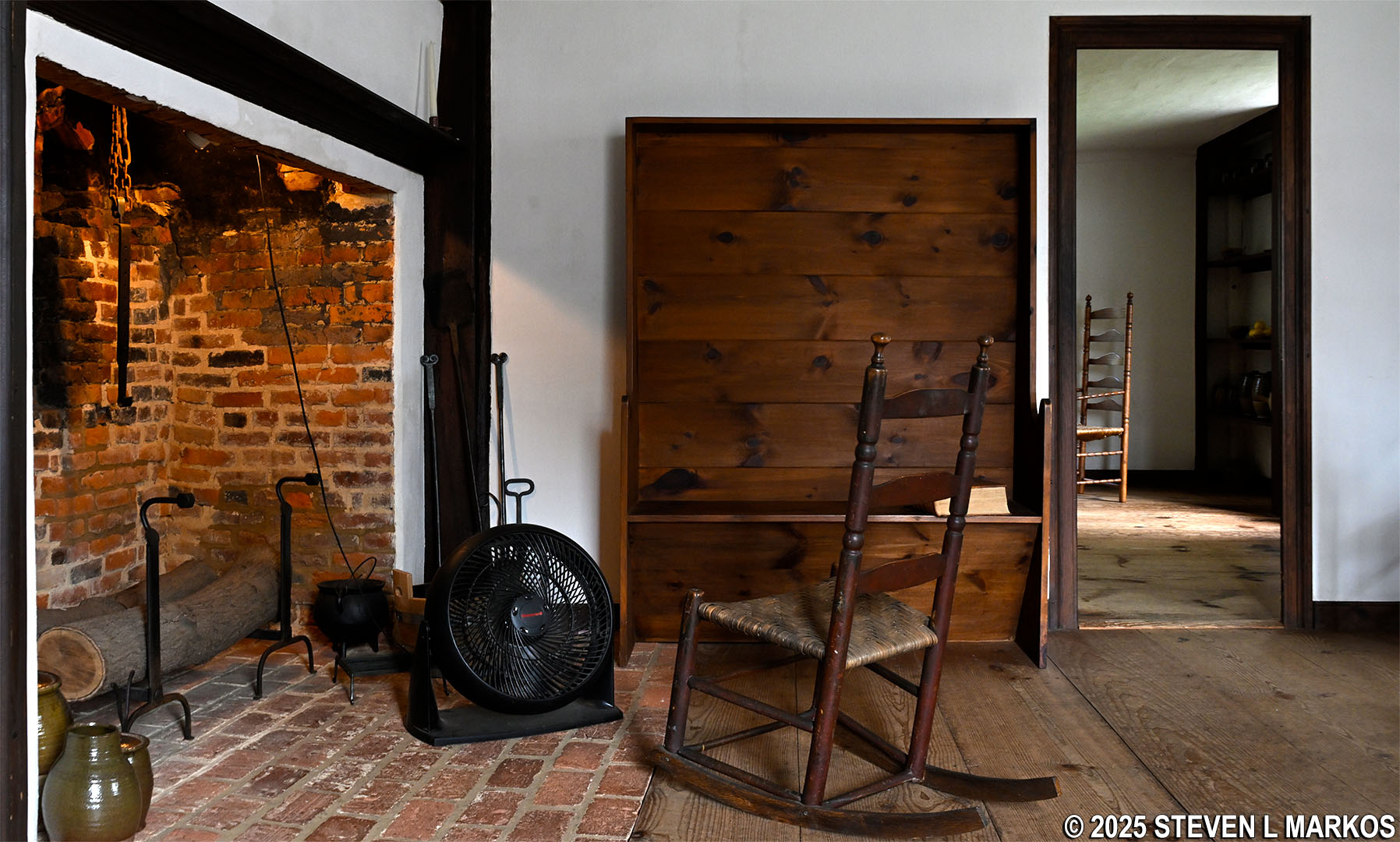
Fireplace in the original dining room and kitchen of the John Adams Birth Home, Adams National Historical Park
The second room on the lower floor was the family room and parlor for greeting and entertaining guests when John was growing up, but when he returned home to live with his parents in 1759 after graduating from college and apprenticing as an attorney, he converted this room into his law office. Today the room is set up as a bedroom, which appears to be a very odd choice. However, it turns out that when the American Revolution began and fighting came to Boston during the Battle of Bunker Hill (June 17, 1775), the Adamses used the lower level the house, which was a rental property at the time, for hosting people fleeing from Boston. The actual bedrooms would have been on the second floor (which is not open to the public).
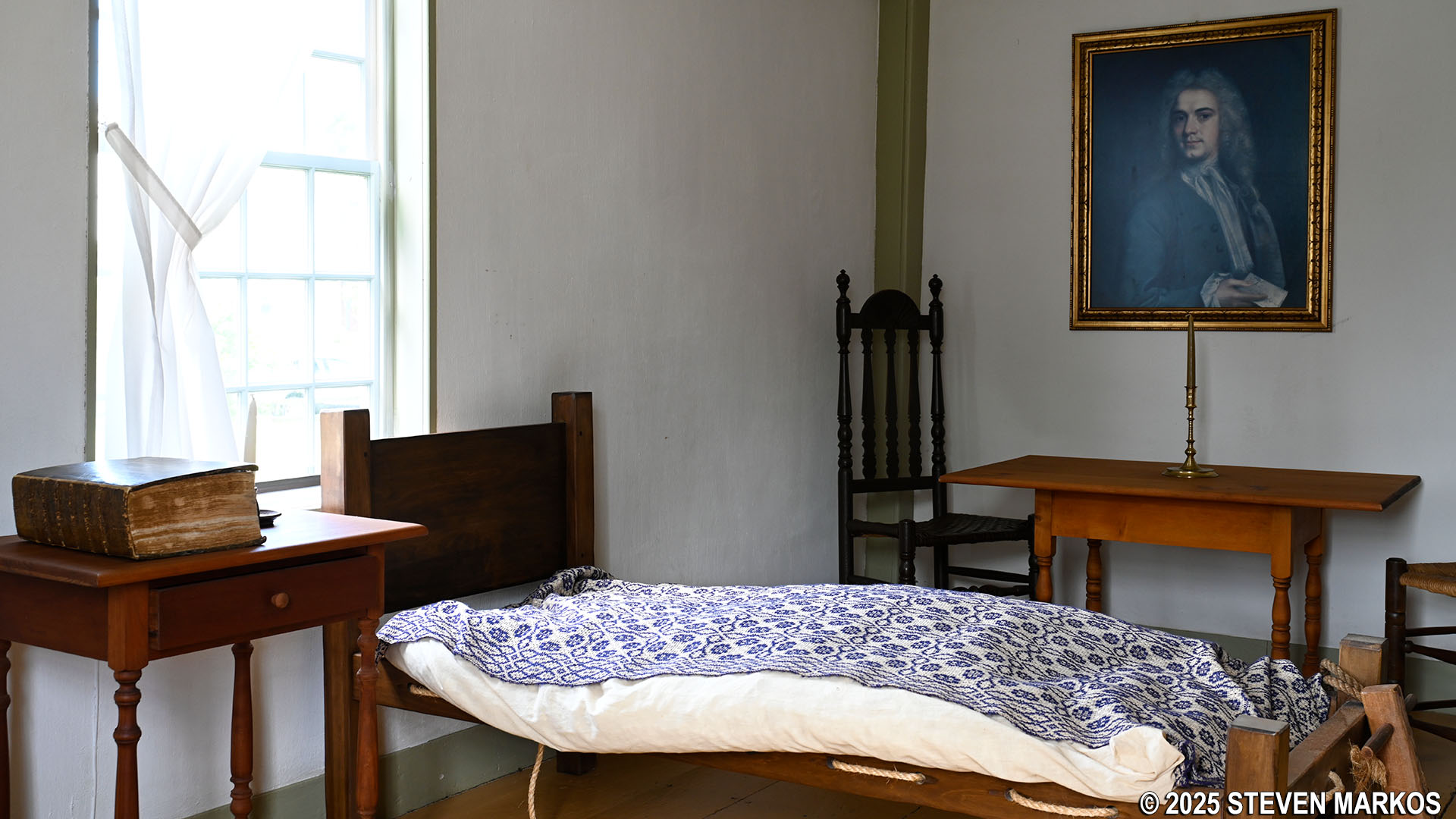
Refugee sleeping area in the parlor of the John Adams Birth Home, Adams National Historical Park
As mentioned above, the lean-to addition became the new kitchen and dining room. It also served as a church meeting space. John Adams Sr. was a deacon at the local church.
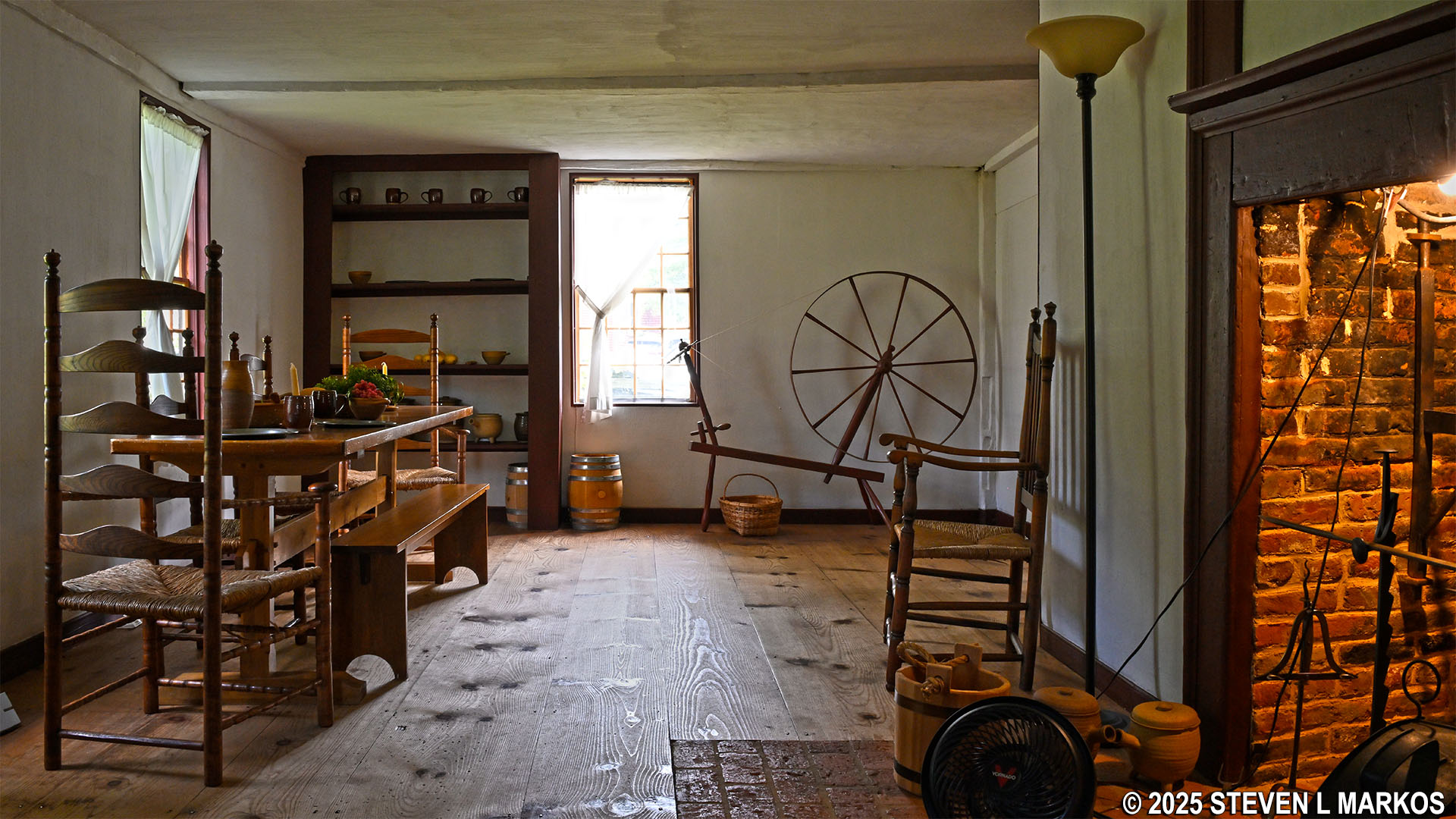
Kitchen in the lean-to addition of the John Adams Birth Home, Adams National Historical Park
In the winter when it was not possible to farm, John Adams Sr. operated a small cordwainer shop (shoemaking). A table with shoes and other tools is on display in the kitchen to enlighten visitors about Senior’s side gig. The shop itself would have been in another building on the property, not in the kitchen.
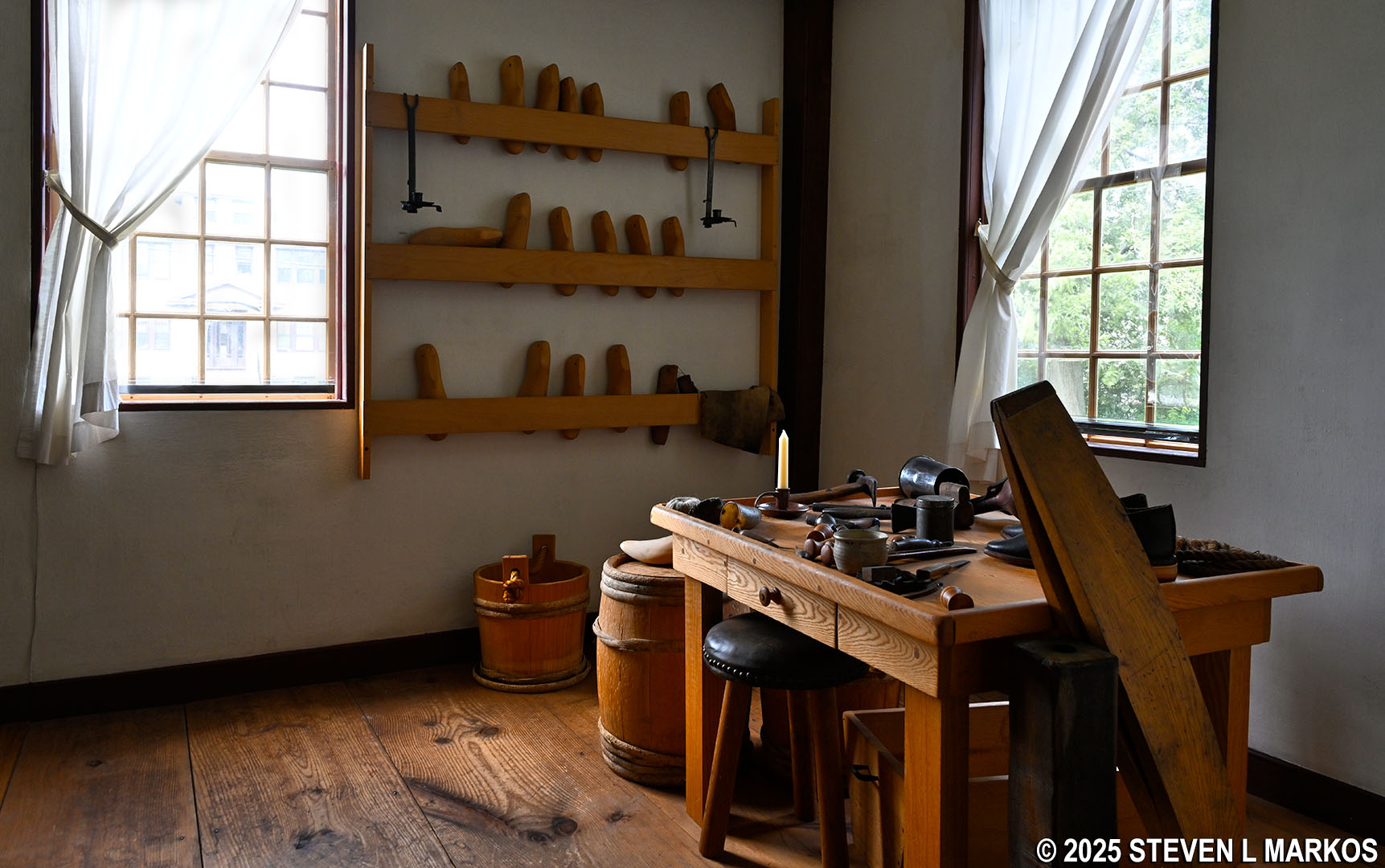
Table and tools common in a cordwainer shop on display in the John Adams Birth Home, Adams National Historical Park
JOHN QUINCY ADAMS BIRTH HOME
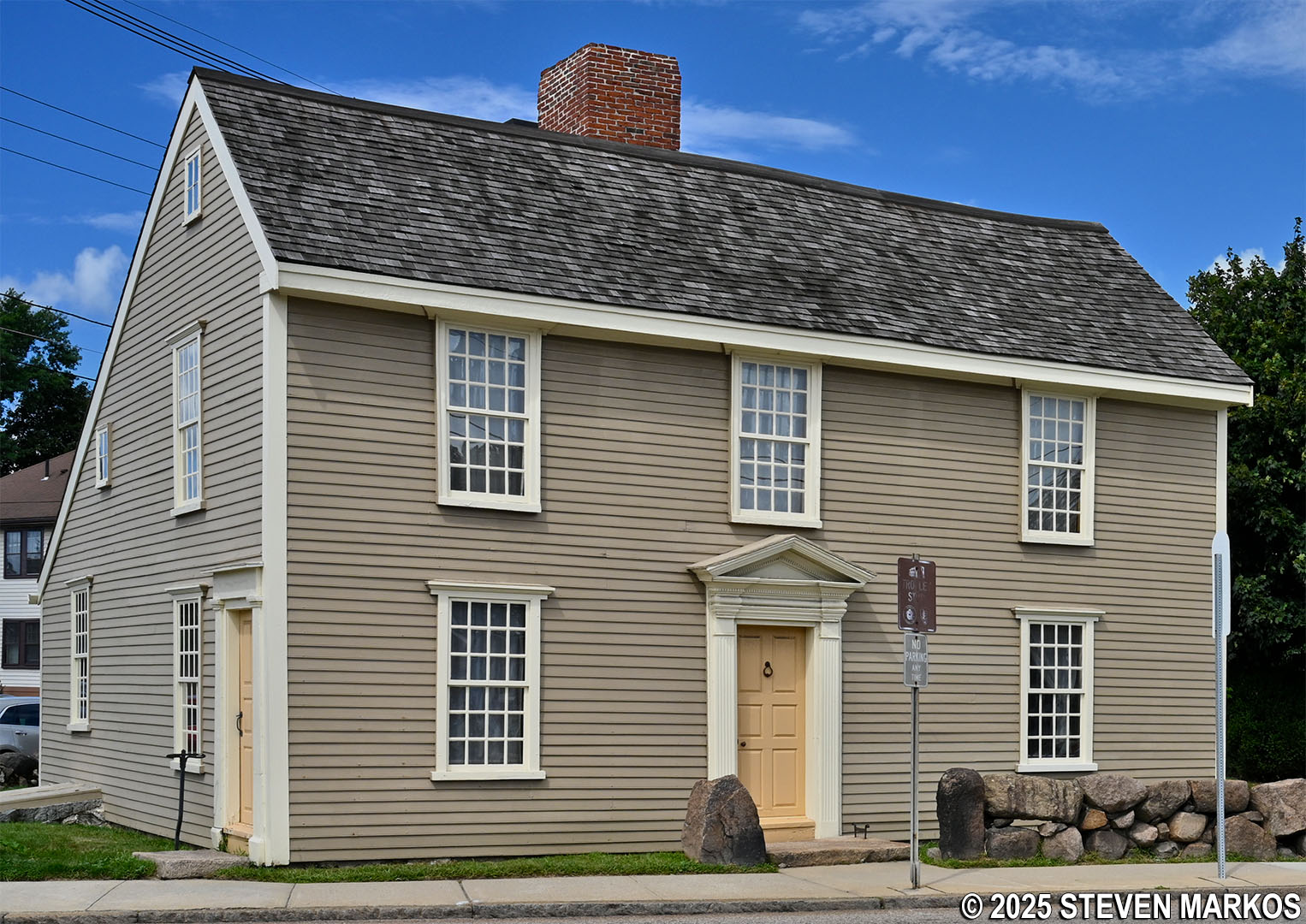
John Quincy Adams Birth Home, Adams National Historical Park
The house in which John Quincy Adams was born is thought to be the older of the two birth homes, possibly having been built in 1660. As with the John Adams Birth Home, it originally had two rooms on the bottom floor and two on the top, with a third lower-level room being added when the lean-to was enclosed by the previous owner, Deacon George Belcher, around 1716.
John Adams Sr. purchased the house and surrounding land in 1744 and used it as a rental house for tenant farmers. When he died in 1761 at the age of 70, the farm was split between his three sons. John got what would become the John Quincy Birth Home and 40 acres, and in 1774 he bought his own birth home and property from his brother, Peter.
When he inherited the house in 1761, John used one of the rooms for his law office. It is here in 1779 that he, along with James Bowdoin and his second cousin Samuel Adams, wrote the Massachusetts Constitution. A copy of the document lies across the table that is now on display in the room.
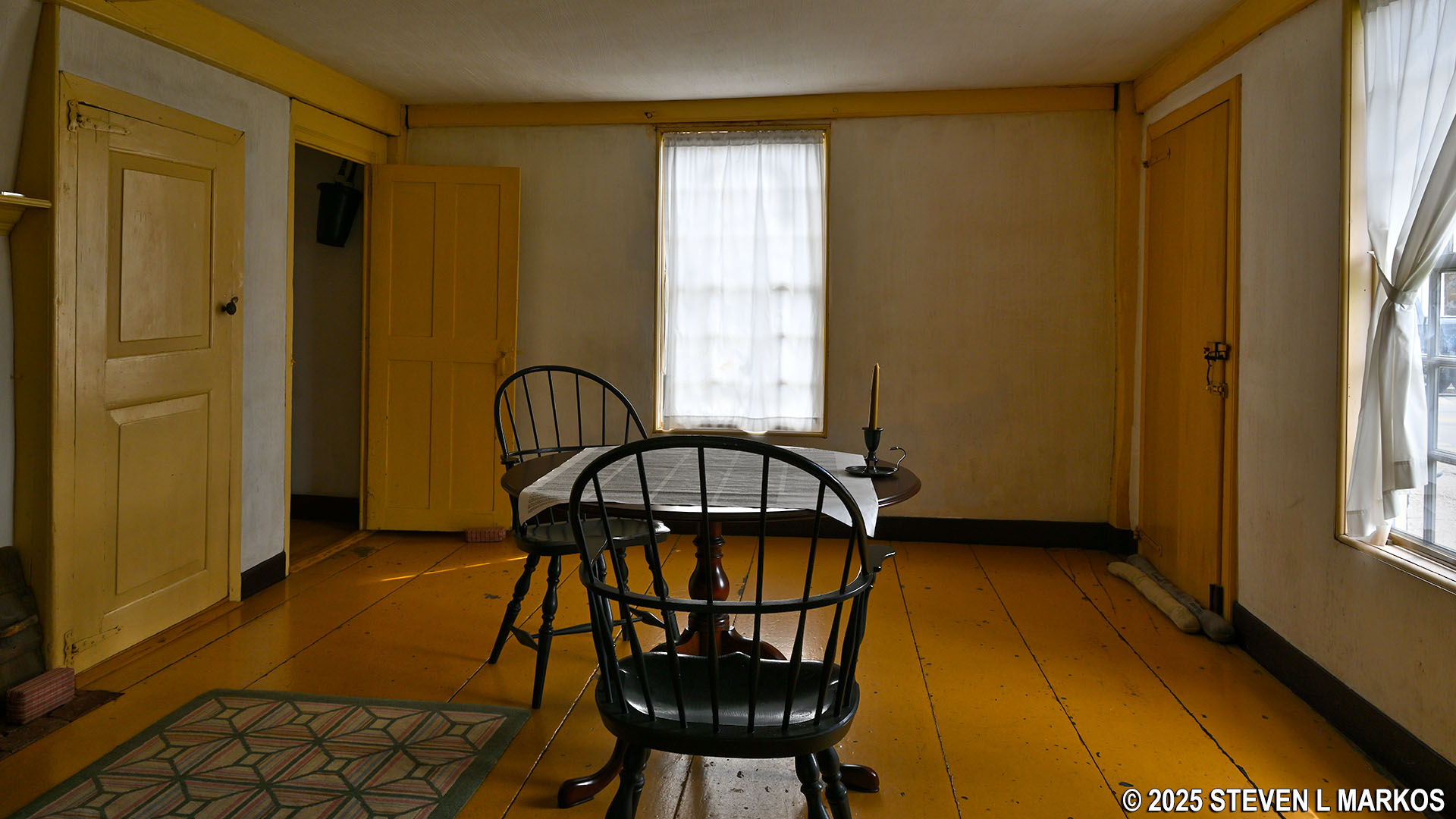
Law office of John Adams on the lower floor of the John Quincy Adams Birth Home, Adams National Historical Park
John married Abigail Smith in 1764, and the couple made the JQ House their home. They had six children, with the first being their daughter Nabby in 1765 and their last Elizabeth, who was still born, in 1777. Three were born in the house, including John Quincy on July 11, 1767. It is interesting to note that Quincy, Massachusetts, which was established in 1792, is not named after John Quincy. It is named after Colonel John Quincy, who was Abigail Smith’s maternal grandfather. John received his name in honor of the Colonel, his great grandfather, who was on his death bed when he was born. The Colonel died two days later.
The kitchen and dining room were located in the lean-to addition. The room had a large fireplace, and the cooking area consisted of a built-in beehive oven (on the right in red brick) and a free-standing reflecting oven.
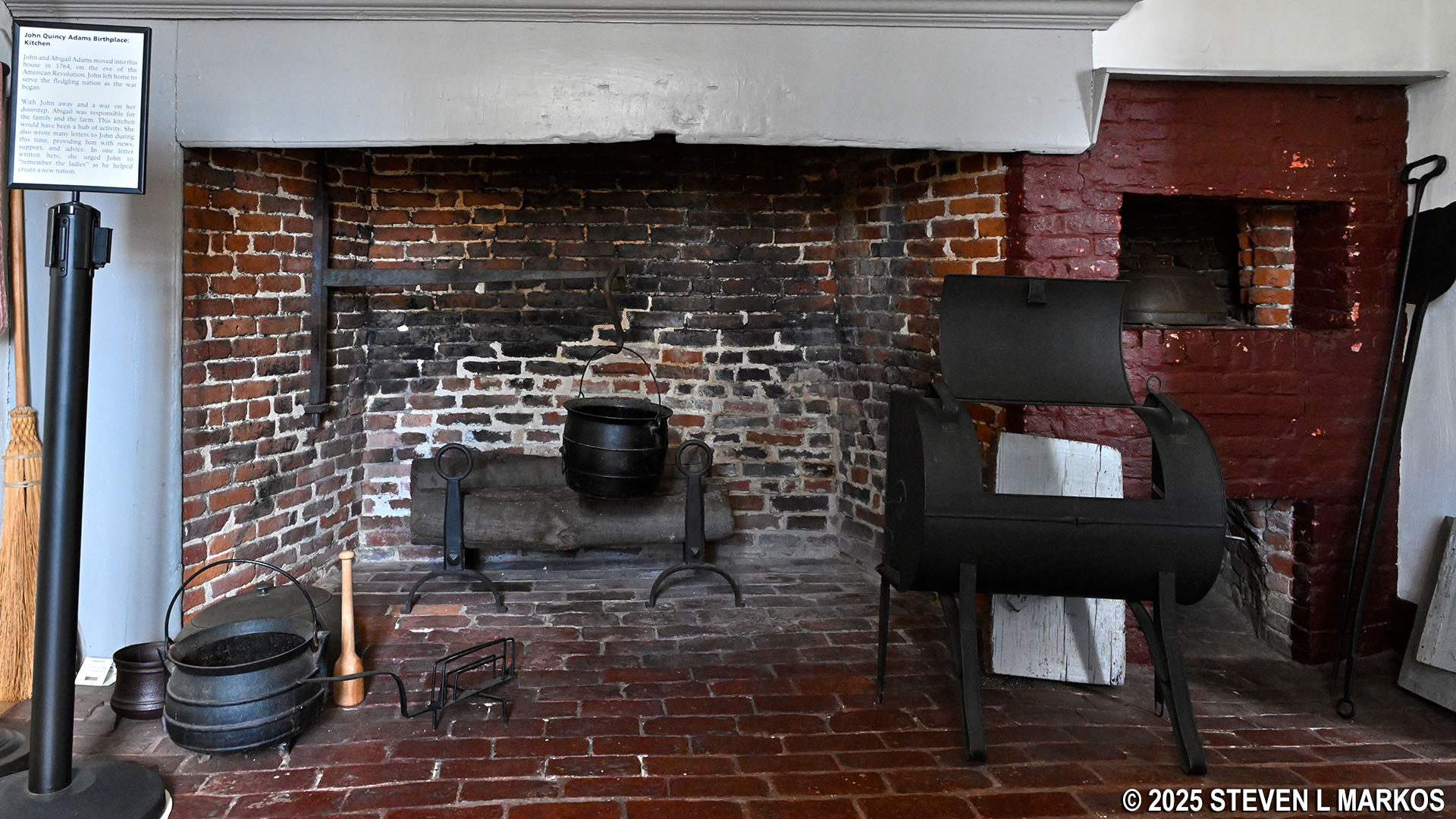
Kitchen fireplace and ovens in the John Quincy Adams Birth Home, Adams National Historical Park
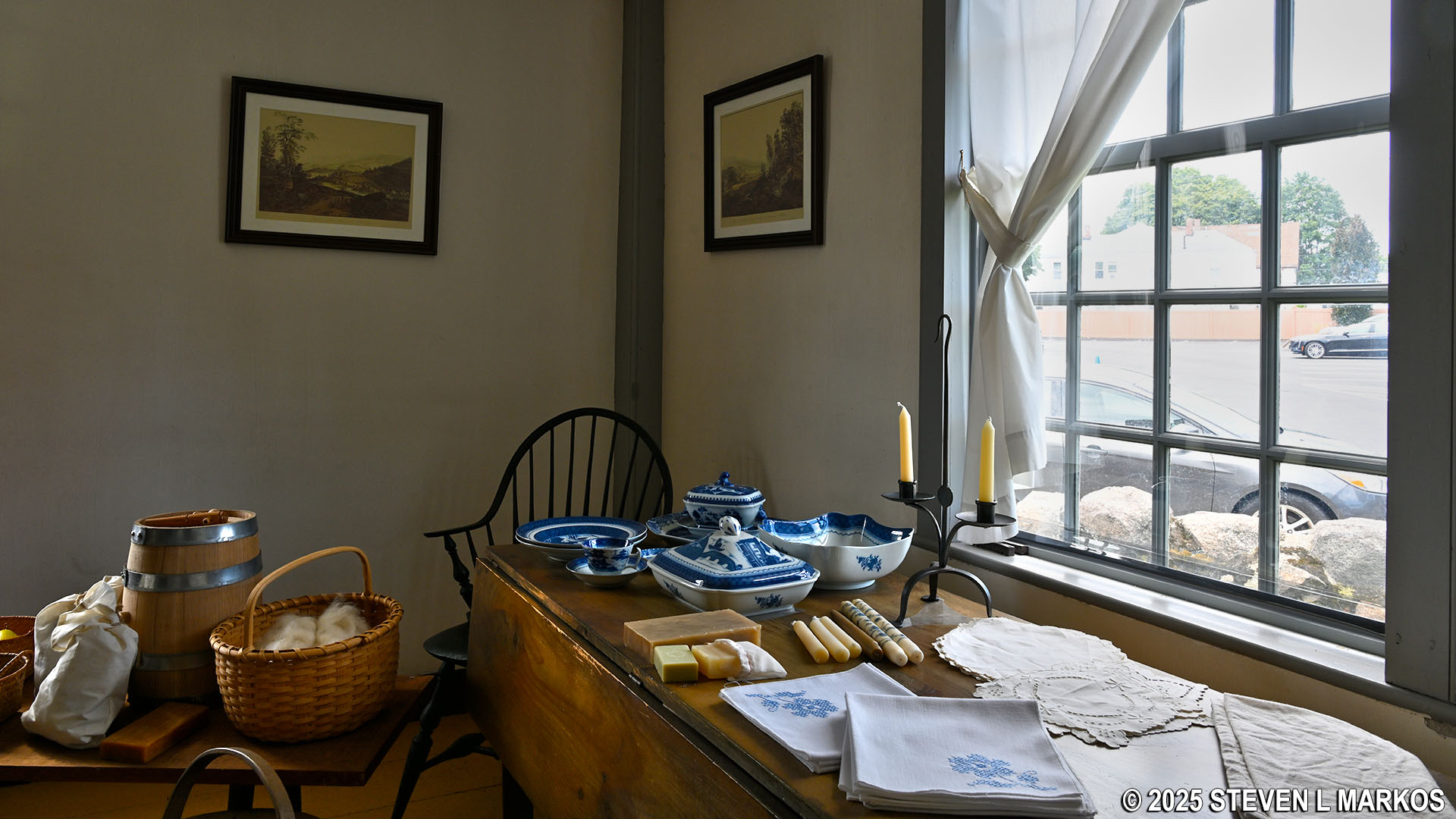
Dining table in the kitchen of the John Quincy Adams Birth Home, Adams National Historical Park
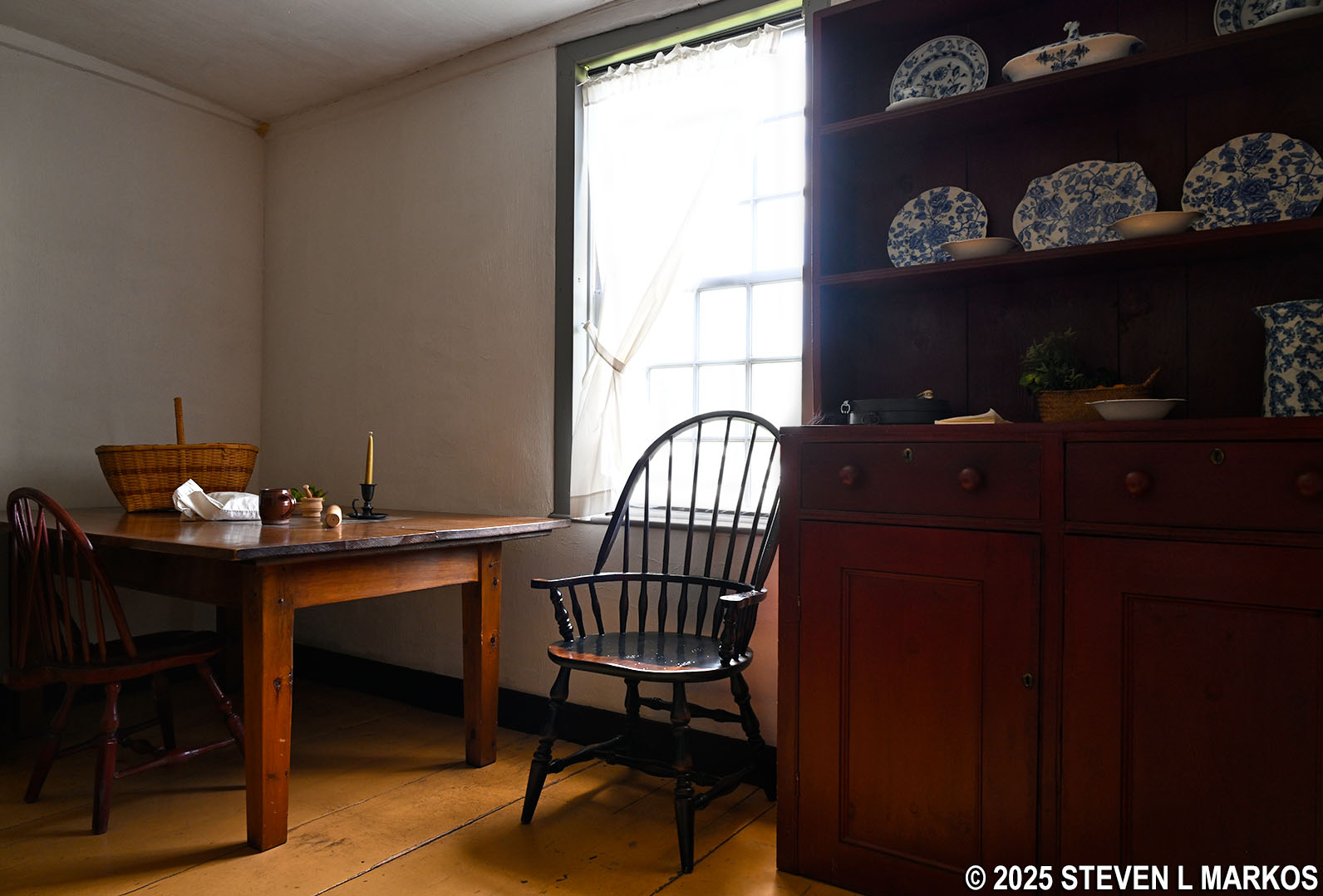
Table and china cabinet in the kitchen of the John Quincy Adams Birth Home, Adams National Historical Park
The third room was used as a family room and parlor where guests were received and entertained.
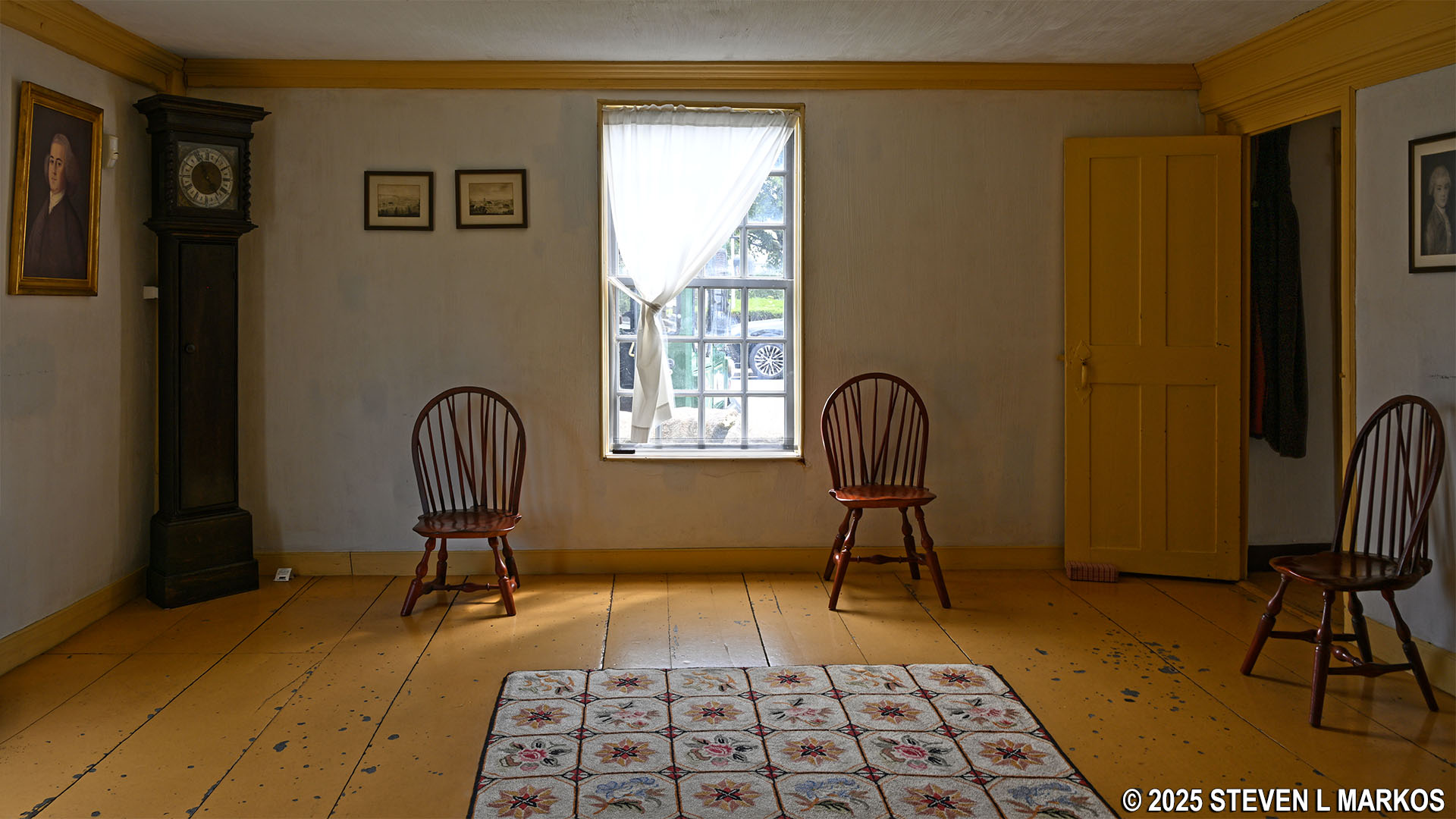
Parlor in the John Quincy Adams Birth Home, Adams National Historical Park
I took a self-guided tour of the Birth Homes and spent a half hour at the site taking photos and listening to a Ranger talk about the houses. There is not a lot to see, so if you don’t want to learn anything, you can walk in and take a look around in no more than five minutes at each house.
With a few exceptions, use of any photograph on the National Park Planner website requires a paid Royalty Free Editorial Use License or Commercial Use License. See the Photo Usage page for details.
Last updated on September 22, 2026


