
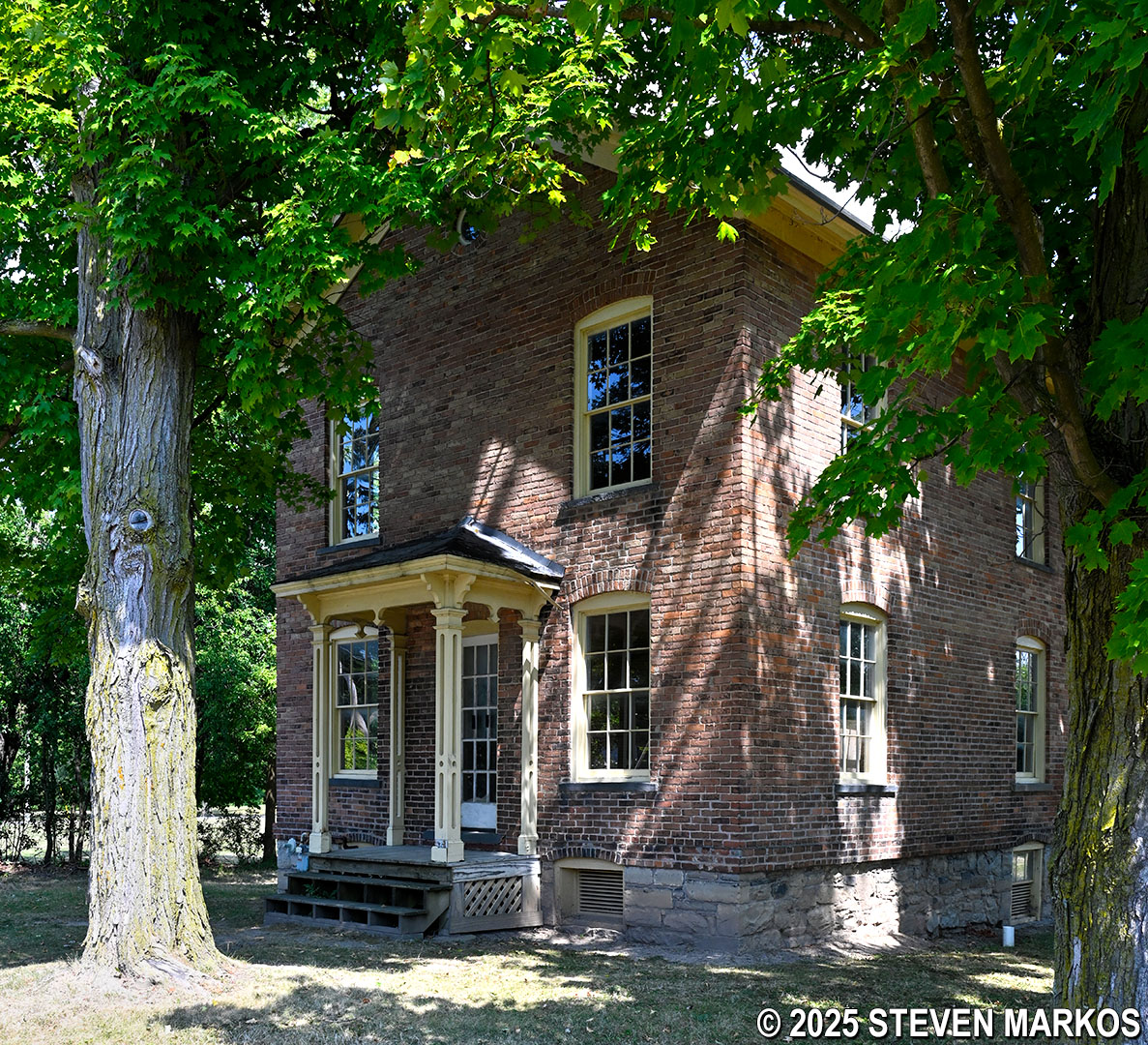
Harriet Tubman House, part of Harriet Tubman National Historical Park

The two-story brick home at 182 South Street in Auburn, New York, is where Harriet Tubman lived in freedom for more than 50 years from 1859 until 1911. She purchased the seven-acre property, which included a wood frame house, from U.S. Senator (and eventual Secretary of State for Abraham Lincoln) William Seward and his wife, Frances. At the time, Tubman was considered a fugitive, and the transfer of land to a self-emancipated person was illegal under the Fugitive Slave Act, so the Sewards, who opposed slavery, held the mortgage as a private loan and were very flexible regarding repayment.
After previously rescuing her elderly parents and taking them to Canada, Tubman brought them to live at her home on South Street. Many relatives, including her brothers and their families, also came at various times to live with her in Auburn.
Tubman would continue her life-long devotion to supporting others by opening up her home to those who had suffered under slavery and the Civil War, including orphans, people who were disabled, and anybody too old to work and support themselves. She eventually established the Home for the Aged in her personal residence.
The frame house burned down in 1880 after a boarder accidentally started a fire. So that this didn’t happen again, Tubman had her new house made of brick. It was largely designed and built by her second husband, Nelson Davis. Her brothers and nephews also helped. They were brick masons, and they even made some of the bricks on site.
After her death in 1913, Tubman’s personal residence and farm were sold to settle her debts. Over the next 50 years, the family that purchased the property remained the only owners, but its connection to Tubman was forgotten. In fact, for many years the frame house now known as the Home for the Aged was thought to be her home, most likely because she actually lived there the last two years of her life. (Tubman had purchased a 25-acre farm, which included the Home for the Aged building, in 1896.)
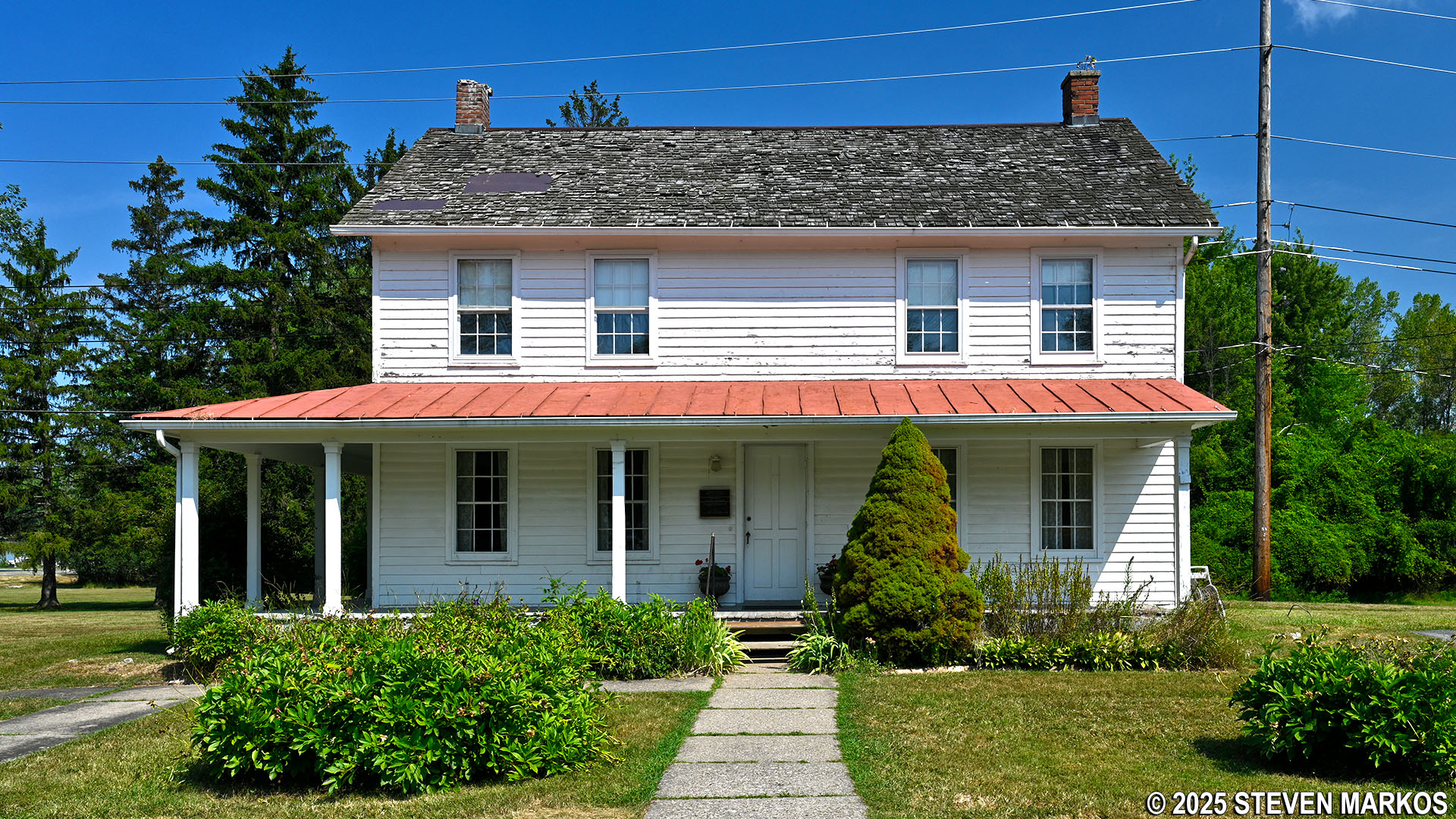
Tubman Home for the Aged, part of Harriet Tubman National Historical Park
In the early 1990s, the identity of the brick home was re-established as Tubman’s residence. The A.M.E. Zion Church, which already owned the Home for the Aged, purchased the Tubman House, reuniting both properties. The Church then created The Harriet Tubman Home, Inc., the non-profit that now manages the houses.
In 2017, Congress established Harriet Tubman National Historical Park, which includes the Harriet Tubman House, the Tubman Home for the Aged, and the Thompson Memorial A.M.E. Zion Church and parsonage on Parker Street. As of 2026, the Tubman House is not open to the public due to ongoing restoration. However, visitors can still walk around the property and take photos. (Note that in the photo below, the building between the barn and the Tubman House is the next-door-neighbor’s house and is not on the property.)
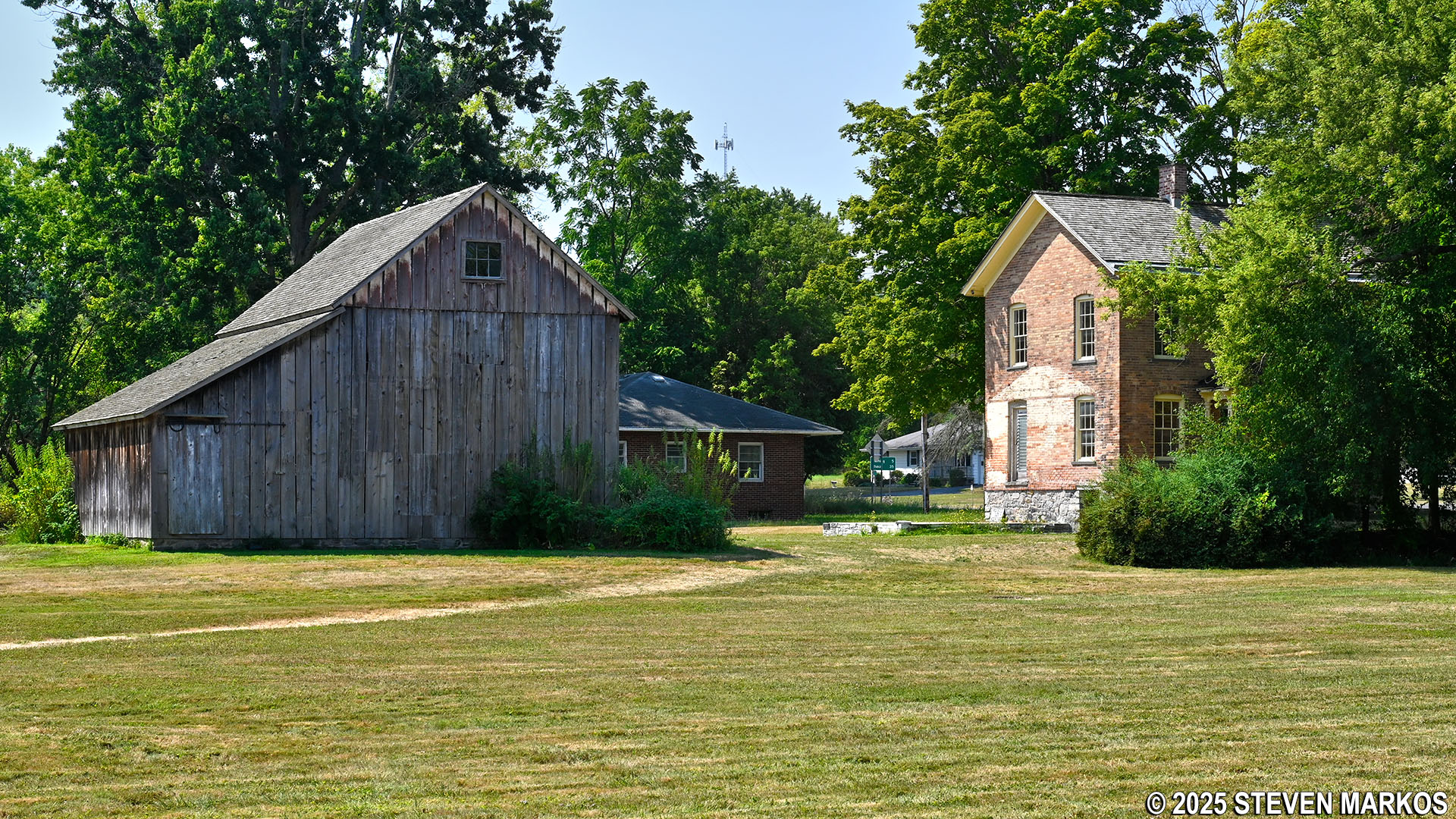
Tubman House and barn, Harriet Tubman National Historical Park
With a few exceptions, use of any photograph on the National Park Planner website requires a paid Royalty Free Editorial Use License or Commercial Use License. See the Photo Usage page for details.
Last updated on October 27, 2025


